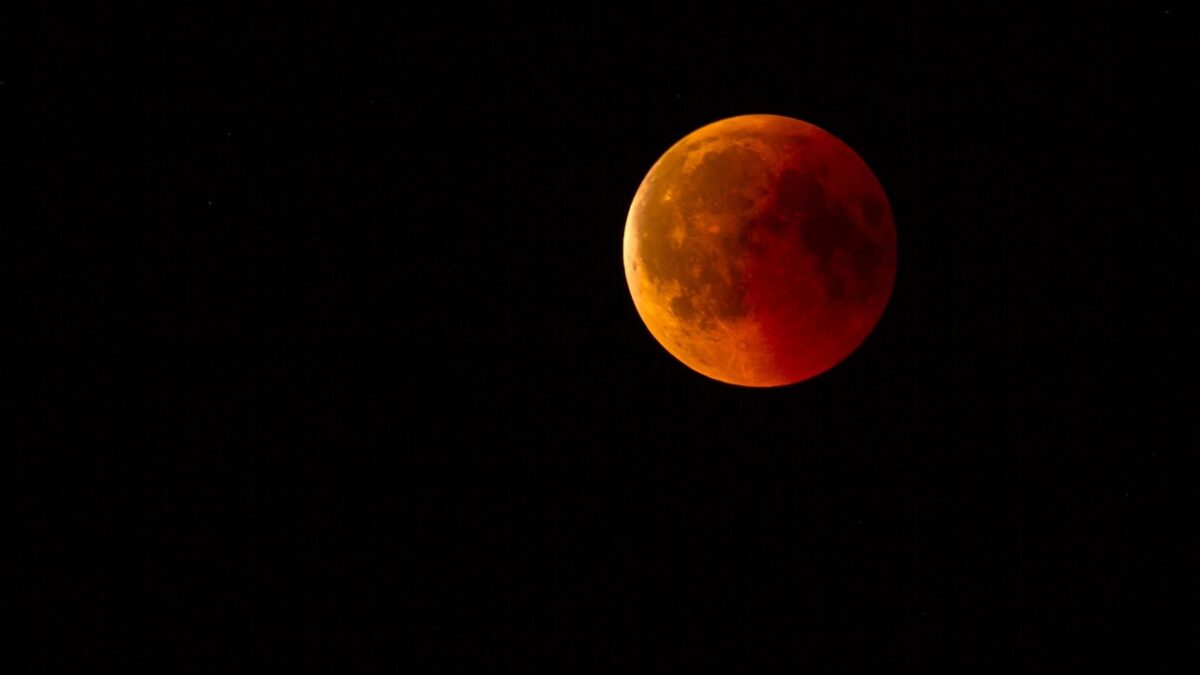
- Moon tonight
- Last quarter — 60% lit
- Next new moon
- 9 November 2026 at 07:03 UTC
- Today
- Saturday, 31 October 2026 · ISO week 44 · day 304 of the year
Computed on every visit from the time-zone database and standard astronomical formulas, so these never go stale. The article below is unchanged.
Every month’s full moon carries a traditional name rooted in seasonal shifts, tracking natural events like animal behaviors, weather patterns, and crop harvests across North America and Europe. These twelve standard full moon names run from January’s Wolf Moon through June’s Strawberry Moon to December’s Cold Moon, providing a functional nature-based calendar.
While modern digital tools track days with atomic precision, human cultures relied for thousands of years on the sky to mark time. The names assigned to each full moon offered practical indicators for hunting, planting, and gathering, serving as a shared agricultural and survival clock. Exploring what every month’s moon is called reveals how early communities read the night sky to stay aligned with the changing seasons.
Where do full moon names come from?
The standard full moon names recognized across North America today stem from a mix of Native American, Colonial American, and European traditions. Indigenous tribes—including the Algonquin, Dakota, Cherokee, Hopi, and Zuni—developed naming systems customized to their local habitats and climates. Because regional environments varied across the continent, different tribes often used distinct names for the same lunar cycle.
During the colonial era, European settlers adopted many Algonquin naming conventions used in the northeastern region of North America. In the 1930s, the Maine Farmers’ Almanac began publishing official lists of full moon names based on these indigenous traditions. Over decades, those published names became standard titles across popular culture. Similar naming conventions existed across Anglo-Saxon, Celtic, and medieval European cultures, where moons were linked to agricultural duties like hay harvesting or mead brewing.
What is every month’s moon called?
The standard twelve full moons follow a predictable progression tied to the Northern Hemisphere’s weather patterns and natural cycles. Each name highlights an environmental cue unique to that time of year.
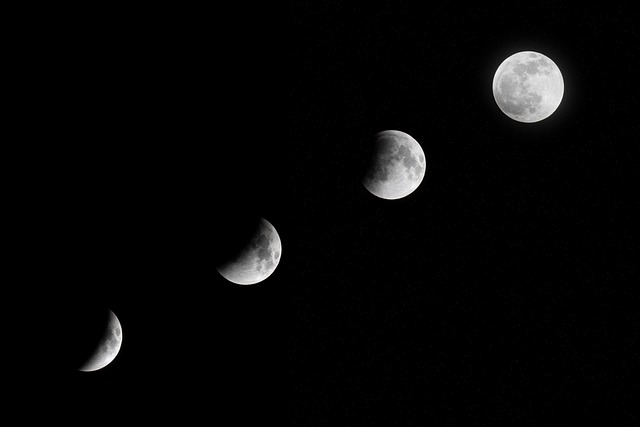
January: Wolf Moon
January’s full moon earned its name from the howling of wolf packs heard outside villages during cold midwinter nights. Native cultures and early settlers associated the sound with winter food scarcity. Alternative titles include the Center Moon (used by the Assiniboine to mark the midpoint of winter) and the Frost Exploding Moon (Cree).
February: Snow Moon
Heavy snows typically fall across the northern regions during February, giving this moon its common name. Because severe winter weather made hunting difficult, some tribes referred to it as the Hunger Moon. Anglo-Saxon communities called it the Storm Moon.
March: Worm Moon
As late winter temperatures rise, earthworm trails appear in thawing topsoil, signaling the return of robins and early spring life. Alternative names include the Sap Moon (marking the time to tap maple trees), the Crow Moon (signaling bird calls returning), and the Crust Moon (referring to snow melting and refreezing).
April: Pink Moon
Despite its colorful name, April’s moon does not glow pink. It was named after Phlox subulata (moss pink or creeping phlox), a wild ground-cover flower native to eastern North America that blooms early in spring. Other regional names include the Sprouting Grass Moon, Egg Moon, and Fish Moon.
May: Flower Moon
May brings widespread blooms across meadows and forests, making Flower Moon the most fitting title for spring’s peak. Historical alternatives include the Corn Planting Moon (marking crop preparation) and the Milk Moon (referring to increased milk production in livestock grazing on fresh pasture).
June: Strawberry Moon
June’s full moon coincides with the short harvesting season for wild strawberries in the northeastern United States. In Europe, where wild strawberries were less prominent, this moon was traditionally called the Rose Moon, the Mead Moon, or the Honey Moon, as June was a customary time for weddings and honey harvesting.
July: Buck Moon
Male deer grow new antlers each summer, pushing out of their foreheads in velvety coats during July. European traditions named this the Hay Moon due to the midsummer hay harvest, while other cultures called it the Thunder Moon due to frequent summer storms.
August: Sturgeon Moon
August was the prime season for catching lake sturgeon in the Great Lakes and Lake Champlain. Indigenous groups like the Algonquin and Ojibwe relied on this abundant fish supply. Other seasonal titles include the Green Corn Moon and the Grain Moon.
September: Harvest Moon (or Corn Moon)
The full moon closest to the autumn equinox is designated as the Harvest Moon. Unlike other moons, it rises shortly after sunset for several consecutive nights, casting extra light that allowed farmers to continue harvesting late into the evening. When the September full moon occurs earlier in the month and far from the equinox, it is referred to as the Corn Moon.
October: Hunter’s Moon
Following the Harvest Moon, October’s Hunter’s Moon signaled the time to hunt game fattened on autumn foliage and fallen grains. With fields cleared of crops, hunters could easily spot animals moving across open land. Early Anglo-Saxon texts also refer to it as the Blood Moon or Sanguine Moon, referring to meat preparation for winter storage.
November: Beaver Moon
November marks the period when beavers actively finish building winter dams and store food before waterways freeze over. It was also the optimal season for trappers to collect thick winter furs. Alternative names include the Frost Moon and Oak Moon.
December: Cold Moon
December’s Cold Moon reflects the onset of deep winter cold and winter solstice nights, which produce the longest darkness of the year. The Mohican name for this moon is the Long Night Moon, while ancient European traditions called it the Yule Moon.
Comparison of monthly full moon names and alternate titles
The following table compares each month’s primary North American name with alternative regional names and their environmental triggers:
| Month | Primary Name | Alternative Names | Seasonal Trigger |
|---|---|---|---|
| January | Wolf Moon | Center Moon, Frost Exploding Moon | Wolf activity during midwinter cold |
| February | Snow Moon | Hunger Moon, Storm Moon | Heavy winter snowfalls and game scarcity |
| March | Worm Moon | Sap Moon, Crow Moon, Crust Moon | Soil thawing and earthworms emerging |
| April | Pink Moon | Sprouting Grass Moon, Egg Moon | Early blooming of wild pink phlox flowers |
| May | Flower Moon | Corn Planting Moon, Milk Moon | Peak spring flowering and livestock grazing |
| June | Strawberry Moon | Rose Moon, Honey Moon, Mead Moon | Ripening of wild strawberries |
| July | Buck Moon | Thunder Moon, Hay Moon | New antler growth on male deer |
| August | Sturgeon Moon | Green Corn Moon, Grain Moon | Peak sturgeon fishing in northern lakes |
| September | Harvest Moon / Corn Moon | Barley Moon, Fruit Moon | Crops ripening near the autumn equinox |
| October | Hunter’s Moon | Falling Leaves Moon, Blood Moon | Hunting game in cleared fields before winter |
| November | Beaver Moon | Frost Moon, Mourning Moon | Beavers preparing shelters and freezing water |
| December | Cold Moon | Long Night Moon, Yule Moon | Freezing temperatures and long solstice nights |
What makes special full moons unique?
In addition to traditional monthly titles, specific astronomical conditions create special types of full moons throughout the year.
Blue Moon
A Blue Moon does not refer to the lunar surface changing color. Instead, it describes a timing anomaly caused by the difference between calendar months and lunar cycles. There are two accepted definitions:
- Monthly Blue Moon: The second full moon occurring within a single calendar month.
- Seasonal Blue Moon: The third full moon in an astronomical season that contains four full moons instead of the usual three.
Supermoon and Micromoon
Because the moon orbits Earth in an elliptical path rather than a perfect circle, its distance from Earth fluctuates. When a full moon occurs at perigee (its closest point to Earth), it is called a Supermoon.Micromoon.
Blood Moon (Total Lunar Eclipse)
A Blood Moon takes place during a total lunar eclipse. When Earth passes directly between the Sun and the Moon, Earth casts a complete shadow over the lunar surface. Sunlight filtering through Earth’s atmosphere scatters short blue wavelengths while bending longer red light onto the Moon, giving it a copper-red shade.
Harvest Moon vs. Hunter’s Moon
While most full moon names are assigned to fixed calendar months, the Harvest Moon is defined purely by astronomy. It is always the full moon closest to the autumn equinox, which means it can fall in late September or early October. Whichever full moon immediately follows the Harvest Moon automatically becomes the Hunter’s Moon.
How did ancient cultures track time using the moon?
Before solar calendars were standardized worldwide, human communities relied on lunar synodic periods—the 29.53-day cycle from one new moon to the next—to structure daily life. A lunar year of 12 full moons totals approximately 354 days, leaving an 11-day gap compared to the 365.24-day solar year.
To keep lunar calendars aligned with seasonal agricultural cycles, many indigenous groups added a 13th moon roughly every two to three years. The lunar cycle provided an intuitive baseline for tracking environmental changes, allowing early societies to anticipate seasonal transitions long before standardized solar calendars were established. Understanding these ancient schedules also connects to how ancient peoples kept time before modern standardized time zones.
How do full moon names differ around the world?
Full moon names are fundamentally local. Because seasonal shifts in the Southern Hemisphere are reversed relative to the Northern Hemisphere, traditional North American names do not align with seasonal realities south of the equator. For example, during February, when North America observes the Snow Moon, observers in Australia or South America experience midsummer.
In Asian cultures, full moons mark key agricultural and religious holidays on traditional lunisolar calendars. In China, the eighth full moon of the lunar year is celebrated as the Mid-Autumn Festival, tied to mooncake traditions and family gatherings. In India, full moons (known as Purnima) hold spiritual importance, such as Buddha Purnima during May’s full moon.
How to observe and track full moons throughout the year
Observing full moons requires no specialized equipment. You can track full moons and improve your skywatching experience with these practical steps:
- Check precise moonrise times: The Moon looks largest when it is near the horizon due to an optical trick called the “moon illusion.” Plan to watch within 30 minutes of sunset on the evening of the full moon.
- Find an unobstructed view: Look for a viewing location facing east with clear sightlines toward the horizon, far from obstruction by tall buildings or dense tree lines.
- Consult astronomy resources: For precise monthly timings and visibility updates, consult astronomical reference guides such as EarthSky.org or check detailed historical archives at Almanac.com.
- Adjust for seasonal shifts: If you are adjusting your outdoor observation schedules around seasonal daylight shifts, see Daylight Saving Time 2027: Exact Dates for US, UK & Europe for timing adjustments across regions.
What common mistakes do people make about moon names?
Several persistent misunderstandings surround traditional full moon names:
- Expecting literal color changes: Aside from total lunar eclipses (Blood Moons) or rare atmospheric smoke conditions, full moons do not change color to match their names. A Pink Moon is bright yellow-white, named for wild spring ground phlox.
- Assuming a single uniform origin: No single Native American tribe created the list of full moon names used today. Current lists combine traditions from dozens of tribes alongside Anglo-Saxon and European lore.
- Thinking a full moon lasts multiple days: Astronomically, a full moon occurs at an exact moment when the Moon sits opposite the Sun in its orbit. To the human eye, however, the moon appears fully illuminated for roughly two to three consecutive nights.
Frequently asked questions
Is a Pink Moon actually pink?
No, the Pink Moon shines with normal yellow and white moonlight. It was named by Native American tribes after moss pink, a pink wildflower that blooms across eastern North America in early spring.
What is the difference between a monthly and seasonal Blue Moon?
A monthly Blue Moon occurs when a single calendar month contains two full moons. A seasonal Blue Moon is the third full moon in an astronomical season that features four full moons instead of three.
Why does the Harvest Moon shift between September and October?
The Harvest Moon is defined astronomically as the full moon occurring closest to the autumn equinox. Depending on lunar cycle timing relative to September 22 or 23, the Harvest Moon can occur in late September or early October.
How often does a 13th full moon occur in a calendar year?
Because 12 lunar cycles equal roughly 354 days, an extra 13th full moon occurs roughly once every 2.7 years. That extra full moon is designated as a Blue Moon.
Do cultures in the Southern Hemisphere use the same full moon names?
No, because seasons are inverted south of the equator, traditional Northern Hemisphere moon names do not match local conditions. Southern Hemisphere observers often adapt names to reflect local seasonal markers, such as late-summer harvests during February.

About Yasir Hafeez
Yasir Hafeez is the creator of itsdately a free, independent site for clear world time, calendars, and date tools.