Full Moon Names: Your Guide to Every Month’s Lunar Lore
🕑 10📄 2,261 words📅 Updated Aug 1, 2026
Quick AnswerEach month's full moon is given a unique name, primarily derived from Native American, Colonial American, and European traditions. These names, like the 'Wolf Moon' for January or the 'Strawberry Moon' for June, reflect seasonal changes, animal behaviors, or agricultural cycles, serving as an ancient method for tracking time and natural rhythms.
When you gaze up at a brilliant full moon, do you ever wonder what it’s called? Each month’s full moon carries a distinct name, often rooted in ancient traditions and seasonal markers, offering a fascinating glimpse into how our ancestors observed the world around them. s and cultural heritage.
Unraveling the History: Where Full Moon Names Originated
The tradition of giving names to each full moon stems from diverse cultural practices, predominantly those of Native American tribes, Colonial Americans, and early European settlers. These names were far more than poetic; they were practical indicators of the changing seasons. Each name often corresponded to a significant event in nature, whether it was animal behavior, plant cycles, or prevailing weather conditions. For example, a moon named after a harvest would signal the time to gather crops, while a ‘Snow Moon’ clearly indicated the depths of winter. Remember that while many popular full moon names are attributed to Native American tribes, there wasn’t a single, unified list. Different tribes across various regions, like the Algonquin, Sioux, or Cherokee, had their own distinct names, reflecting their unique local environments and seasonal rhythms. The names we commonly use today are largely a blend and popularization of these various traditions, often simplified for broader understanding.
The Monthly Lunar Calendar: Full Moon Names and Their Meanings
Understanding what every month’s moon is called helps us connect with these ancient traditions. Here’s a month-by-month breakdown of the most commonly recognized full moon names, along with their traditional meanings for the current year, 2026:
January: Wolf Moon. Named for the howling wolves heard outside villages during cold, snowy winter nights.
February: Snow Moon. Typically, the snowiest month in many regions, this moon reflects the heavy snowfalls.
March: Worm Moon. As the ground thaws, earthworms emerge, signaling the return of birds and spring.
April: Pink Moon. Not for the moon’s color, but for the pink phlox, an early spring flower common in North America.
May: Flower Moon. Celebrates the abundance of flowers blooming across the landscape.
June: Strawberry Moon. Coincides with the short strawberry harvesting season in northeastern North America.
July: Buck Moon. Young bucks begin to grow new antlers, pushing out of their foreheads in fuzzy velvet.
August: Sturgeon Moon. Large fish, particularly sturgeon, were most readily caught in the Great Lakes and other major bodies of water during this month.
September: Harvest Moon. The full moon closest to the autumnal equinox, providing extra light for farmers to gather crops late into the night. It’s unique in that its timing shifts annually.
October: Hunter’s Moon. Following the Harvest Moon, this moon signaled the time for hunting and stocking up for winter as animals were plump and well-fed.
November: Beaver Moon. Traditionally the time to set beaver traps before the swamps froze, ensuring a supply of warm furs for winter.
December: Cold Moon. Reflects the arrival of winter’s deep cold and longer nights.
These full moon names offer a lyrical, historical calendar, helping us remember the rhythm of seasons through the lens of those who lived closer to the land.
A visual guide to the annual cycle of full moon names and their traditional significance.
Beyond the Basics: Understanding Special Full Moons
While each month has its traditional full moon name, certain lunar events earn additional, more contemporary titles. These special full moons capture public imagination and often have specific astronomical definitions:
Blue Moon
A Blue Moon is not actually blue in color but refers to an extra full moon within a specific period. It can be the second full moon in a single calendar month (a ‘monthly Blue Moon’) or the third of four full moons in a single astronomical season (a ‘seasonal Blue Moon’). This calendrical definition highlights an interesting anomaly in our Gregorian calendar relative to the lunar cycle.
Supermoon
A Supermoon occurs when a full moon coincides with the Moon’s closest approach to Earth in its elliptical orbit, known as perigee. This makes the Moon appear slightly larger and brighter than average, offering a spectacular celestial display. According to NASA, a Supermoon can appear up to 14% larger and 30% brighter than the faintest full moon.
Blood Moon (Lunar Eclipse)
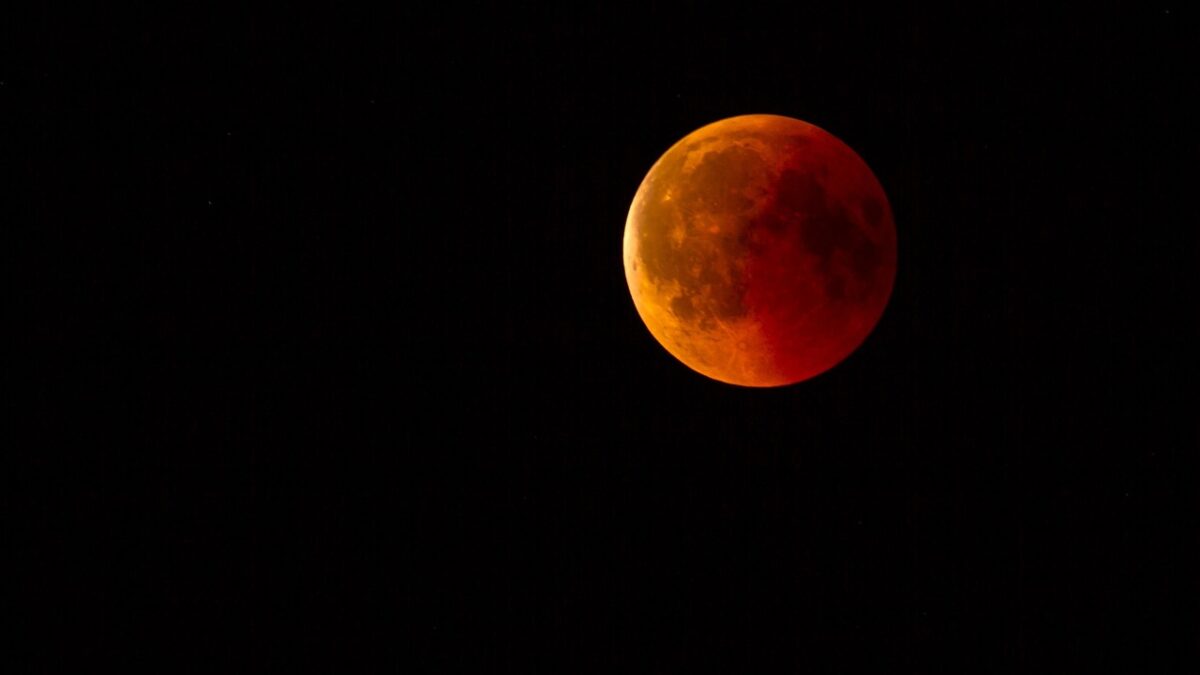
A Blood Moon is the dramatic nickname for a total lunar eclipse. During this event, the Earth passes directly between the Sun and Moon, casting a shadow. However, some sunlight filters through Earth’s atmosphere, scattering blue light and allowing red light to reach the Moon, giving it a reddish hue. This striking phenomenon has often been associated with omens or significant events in various cultures.
Harvest Moon
As mentioned, the Harvest Moon is the full moon closest to the autumn equinox. Its unique characteristic is that it rises shortly after sunset for several nights in a row, providing an extended period of moonlight. This extra light was historically invaluable for farmers, allowing them more time to harvest their crops, especially before the advent of artificial lighting.
A Cultural Tapestry: Why Moon Names Vary Globally
The full moon names we commonly use today are largely derived from North American traditions, but it’s crucial to recognize that cultures worldwide have—and continue to—assign their own unique names to the lunar cycle. These variations underscore the deep connection between local environment, climate, and cultural practices. For instance, while North America might have the ‘Snow Moon,’ cultures near the equator, where snow is rare, would have entirely different markers. Indigenous peoples in Australia might have names reflecting the fruiting of specific plants or the migration of animals unique to their continent. In Europe, older traditions included names like the ‘Oak Moon’ or ‘Mead Moon,’ reflecting their own agricultural and social rhythms. This diversity highlights how moon names functioned as a practical, localized calendar system. Each community’s full moon names were a direct reflection of their survival and prosperity, tied to the specific flora, fauna, and weather patterns of their homeland. It’s a testament to human ingenuity in tracking time long before standardized calendars.
How Ancient Cultures Tracked Time with Lunar Cycles
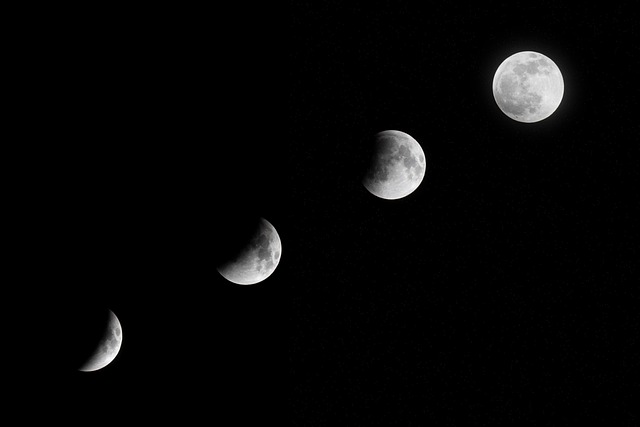
Before the development of solar calendars like the Gregorian calendar we use today, lunar cycles were the primary method for tracking time. The consistent, predictable phases of the Moon—from new to full and back again—provided a natural, observable clock in the sky. Ancient civilizations, including early Native American tribes, Mesopotamians, and Egyptians, relied on these cycles to organize their lives. They marked seasons for planting and harvesting, planned hunting expeditions, and scheduled religious ceremonies based on the Moon’s phases. The full moon names served as memorable labels for these 29.5-day periods, making it easier to communicate and remember specific times of the year. The lunar calendar, while not perfectly aligning with the solar year, was highly effective for short-term planning and understanding immediate environmental changes. It was a tangible, visible calendar that anyone could read just by looking up.
The lunar cycle provided an intuitive calendar for ancient societies, guiding agricultural and hunting practices.
Practical Tips for Observing the Full Moon
Connecting with the full moon is a simple, rewarding practice. You don’t need special equipment; just your eyes and a clear sky. First, know when to look. A quick online search for “full moon dates 2026” will give you the exact timing for each month. The moon appears full for about three days around its peak, so you have a generous window for observation. For specific celestial events, check astronomical calendars or sites like EarthSky.org for precise timings and visibility. To enhance your experience, find a location away from city lights if possible. Light pollution can significantly diminish the moon’s brilliance. Even in urban areas, stepping outside and looking up can be a powerful moment of connection. Consider keeping a simple lunar journal, noting the full moon name, the date, and any personal reflections or observations about the night sky. This practice can deepen your appreciation for the moon’s steady rhythm.
Common Misconceptions About Full Moon Names
Despite their popularity, full moon names are often subject to a few misunderstandings. One common mistake is assuming all Native American tribes used the exact same names. As discussed, there was significant regional variation, and the popularized list is a synthesis rather than a single definitive source. Another misconception is that the moon physically changes color to match its name (e.g., a ‘Pink Moon’ becoming pink). While a ‘Blood Moon’ does appear reddish due to atmospheric effects during an eclipse, most names are symbolic. The ‘Pink Moon’ refers to spring flowers, not the moon’s hue, and the ‘Wolf Moon’ signifies the time of year when wolves are more vocal, not a color change. Understanding this distinction clarifies the historical context and avoids disappointment when the moon doesn’t magically turn the color of a strawberry.
Integrating Lunar Lore into Modern Life
Even in our modern world of digital calendars and precise timekeeping, understanding full moon names offers a unique way to reconnect with nature and history. These names provide a seasonal framework that can enrich our daily lives. You might use the Full Moon names as cues for reflection, marking the passage of time in a more natural, cyclical way than a linear calendar. For example, the ‘Flower Moon’ could be a reminder to appreciate spring’s bloom, while the ‘Beaver Moon’ might prompt thoughts about preparing for winter. Educational institutions and community groups often use these names to teach about indigenous cultures and astronomy. Exploring these traditional names helps foster an appreciation for the natural world and the diverse ways humanity has interpreted its rhythms for millennia. For those interested in deeper astronomical tracking, checking current full moon dates against a reliable source like Almanac.com (for 2026 and beyond) can be a rewarding annual activity. Daylight Saving Time 2027: Exact Dates for US, UK & Europe for more on how ancient peoples kept time.
Frequently Asked Questions
What is a Blue Moon?
A Blue Moon is a calendrical term, not an astronomical one. It refers to the second full moon within a single calendar month or the third of four full moons in one astronomical season. Despite the name, it doesn’t appear blue.
Why is it called a Harvest Moon?
The Harvest Moon is the full moon closest to the autumnal equinox. It earned its name because it traditionally provided extra bright moonlight for several nights, allowing farmers to extend their harvest into the evening hours before the onset of winter.
Do all cultures use the same full moon names?
No, full moon names vary significantly across different cultures and even among different tribes within the same region. These names are often specific to local environments, agricultural cycles, and animal behaviors, reflecting diverse ways of tracking time and seasons.
How do I find out the full moon name for a specific month in 2026?
You can easily find the full moon name for any month in 2026 by consulting an astronomical calendar or reliable online sources like The Old Farmer’s Almanac. These resources list the popular names alongside the exact dates for each full moon.
What is the spiritual significance of full moon names?
Many cultures imbue full moon names with spiritual significance, associating them with themes of abundance, renewal, or introspection tied to their seasonal meanings. While not universally defined, these names can inspire personal reflection and connection to natural cycles.
Is there a full moon name for every month?
Yes, there’s generally a primary full moon name associated with each of the twelve calendar months, stemming from various historical traditions. Occasionally, an extra full moon can occur in a month, leading to a ‘Blue Moon’ designation. Understanding full moon names is more than just learning a list of titles; it’s an invitation to connect with history, nature, and the ancient wisdom of timekeeping. These names serve as powerful reminders of the cyclical patterns that govern our world, offering a unique perspective on the passage of days and seasons. Whether you’re an astronomy enthusiast or simply curious about the sky above, embracing these lunar labels can enrich your appreciation for the cosmic calendar. Information current as of August 2026.
Written by Yasir Hafeez — covering time & date at Its Dately. Spotted an error? Email admin@itsdately.com and we’ll correct it.
Y
Yasir HafeezYasir Hafeez is the creator of itsdately — a free, independent site for clear world time, calendars, and date tools.