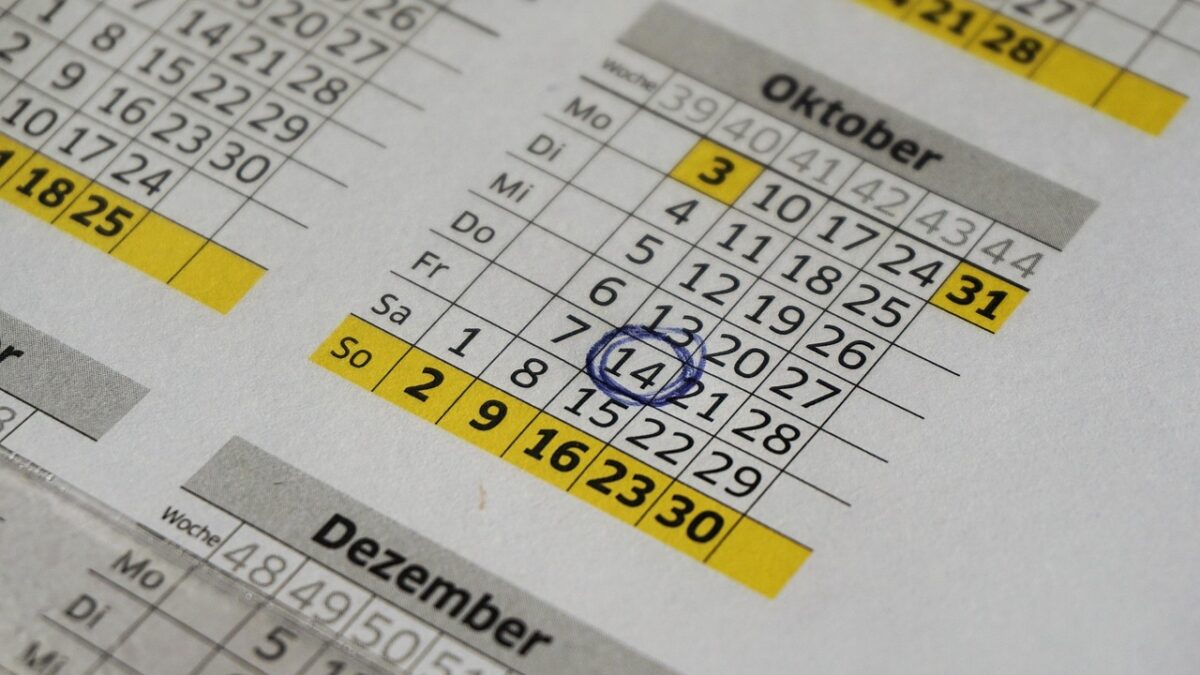
What Islamic Year Is It? Understanding 1448 AH
It’s a common question that pops up, especially around mid-year: “What Islamic Year Is It?” As of August 2026, we are currently in the Islamic year 1448 AH. This year holds profound significance for billions globally, impacting religious observances, cultural celebrations, and even administrative functions in various parts of the world.
Last updated: August 2, 2026
Unlike the familiar Gregorian calendar, which is solar-based, the Islamic or Hijri calendar operates on lunar cycles. This fundamental difference means its dates shift annually relative to the Gregorian calendar, often leading to a sense of mystery for those unfamiliar with its workings. For 1448 AH, the Islamic New Year, 1 Musharraf, began around June 16, 2026, and will extend into mid-2027.
The Hijri Calendar at a Glance
The Islamic calendar, known as the Hijri calendar, begins its count from the year of the Hijra – Prophet Muhammad’s migration from Mecca to Medina in 622 CE. This key event in Islamic history marks the start of Year 1 AH (Anno Hegirae). Each Hijri year is denoted by “AH” following the number.
Unlike the Gregorian calendar’s fixed months and leap years, the Hijri calendar is purely lunar. Its months are determined by the sighting of the crescent moon (hilal), meaning each month begins when the new moon is sighted. A typical Hijri year has 12 months, alternating between 29 and 30 days, resulting in a year of approximately 354 or 355 days. This makes it about 10 to 11 days shorter than the solar Gregorian year.
This annual shift means that Islamic holidays and observances cycle through all seasons over a 33-year period. For someone planning events, understanding this dynamic is crucial for accurate scheduling.

How Is the Islamic Year Determined: Moon Sighting vs. Calculation
The determination of the start of each Islamic month, and thus the entire Islamic calendar 1448, is a fascinating blend of religious tradition and scientific understanding. Traditionally, it relies on the physical sighting of the new crescent moon after sunset on the 29th day of the preceding month.
If the moon is sighted, the new month begins the next day. If not, the current month completes 30 days, and the new month starts the day after that. This method, rooted in prophetic tradition, leads to potential variations in dates across different regions due to weather conditions, geographical location, and local sighting capabilities. According to IslamicFinder, the start of Musharraf 1448 AH was projected based on astronomical calculations to be June 16, 2026, though local sighting committees confirm the actual start.
In contrast, many modern Islamic calendars and apps, including those used by Its Dately, employ astronomical calculations to predict moon visibility. What Islamic Year Is It? Understanding 1448 AH offers a more standardized and predictable calendar, valuable for long-term planning, but it sometimes differs from actual moon sighting results. This discrepancy is a key point of discussion among Muslim communities globally.
Key Islamic Events and Observances in 1448 AH
The Islamic year 1448 AH brings with it a series of important religious events, each with its own significance and practices. Understanding these dates is vital for Muslims planning their worship, fasting, and celebrations.
- Musharraf (The Islamic New Year): The first month of the Hijri calendar. Its first day marks the Islamic New Year 1448 AH. The 10th of Musharraf is known as Ashura, a day of voluntary fasting commemorating the salvation of Prophet Musa (Moses) and his people.
- Rabi’ al-Awwal: This month marks Mawlid al-Nabi, the birthday of Prophet Muhammad (peace be upon him).
- Rajab: The 27th of Rajab is often associated with Isra and Mi’raj (the Night Journey and Ascension), a miraculous journey of the Prophet.
- Sha’ban: The 15th of Sha’ban (Laylat al-Bara’at) is a night of worship and seeking forgiveness.
- Ramadan: The holy month of fasting, reflection, and increased worship. Its exact start and end are crucial.
- Shawwal: The first day of Shawwal is Eid al-Fitr, marking the end of Ramadan.
- Dhul Hijjah: The month of Hajj (the annual pilgrimage to Mecca) and Eid al-Adha (the Festival of Sacrifice).
These dates, while roughly consistent, can vary by a day or two depending on the moon sighting in your specific region. Always cross-reference with local authorities or reputable Islamic organizations for the most accurate timings.
Navigating Hijri Date Conversion for 1448 AH
For many, the biggest challenge with the Hijri calendar is converting dates between it and the Gregorian system. Since the Hijri year is shorter, its alignment with the Gregorian calendar constantly shifts. For instance, Islamic Year 1448 AH spans parts of Gregorian years 2026 and 2027.
To convert dates accurately, online tools are invaluable. Websites like IslamicFinder.org or Moonsighting.com offer reliable Hijri-to-Gregorian and Gregorian-to-Hijri converters. When using these tools, remember if they base their calculations on astronomical predictions (which are fixed) or actual moon sighting reports (which may be updated). For example, to find the specific Gregorian date for Laylat al-Qadr within Ramadan 1448 AH, you would input the Hijri date into a converter.
When planning for significant events, especially those spanning borders, consider that a date given in the Hijri calendar might correspond to two different Gregorian dates depending on the local moon sighting. This often requires checking multiple sources or using a converter that allows for different calculation methodologies.

Challenges and Variations in Hijri Dates
The beauty of the lunar calendar also presents some practical challenges. The primary issue stems from the dual methods of determining month beginnings: physical moon sighting versus astronomical calculation. This can lead to different countries or even different communities within the same country celebrating holidays on slightly different Gregorian dates.
For example, while some regions might declare Eid al-Fitr based on local moon sighting, others might follow the declaration of a central authority like Saudi Arabia or rely on predefined astronomical calendars. This variance can cause confusion for international travelers or families with members in different parts of the world.
Advantages of the Hijri Calendar System
- Religious Significance: Direct adherence to prophetic tradition for month determination.
- Global Unity: While often varied, it provides a unifying framework for global Muslim observances.
- Natural Cycles: Connects religious times directly to natural lunar rhythms.
Drawbacks of the Hijri Calendar System
- Date Discrepancies: Variations in moon sighting lead to different start dates for months and holidays.
- Planning Complexity: Its shifting nature makes long-term event planning challenging without conversion tools.
- Legal/Administrative Issues: Can create logistical hurdles in countries that primarily use the Gregorian calendar for civil affairs.
Practical Tips for Using the Islamic Calendar 1448
Navigating the Islamic year 1448 AH doesn’t have to be complicated. Here are some expert tips to help you stay on track with its shifting dates and understand its significance:
- Use Reputable Online Converters: For accurate Gregorian to Hijri and vice versa conversions, rely on established platforms like IslamicFinder or similar sites that offer clear methodologies for their calculations.
- Stay Updated with Local Authorities: For religious observances like Eid and the start of Ramadan, always consult your local mosque, Islamic center, or moon sighting committee. Their official announcements override general astronomical predictions.
- Understand the “AH” Designation: Remember that “AH” stands for Anno Hegirae, signifying the years since the Hijra. This context helps understand the calendar’s historical roots.
- Anticipate Date Shifts: Be aware that Islamic dates will arrive approximately 10–11 days earlier in the Gregorian calendar each subsequent year. This is crucial for long-term planning for recurring events.
- Educate Others: If you frequently interact with people unfamiliar with the Hijri calendar, a brief explanation of its lunar nature and potential date variations can prevent misunderstandings, especially around holiday planning.
In my experience analyzing various date systems, the key to mastering the Hijri calendar lies in appreciating its unique lunar basis and using reliable tools and local announcements in conjunction. This approach minimizes confusion and ensures you’re aligned with the correct observances for 1448 AH.
Frequently Asked Questions
What is the significance of the Islamic New Year 1448 AH?
The Islamic New Year, 1 Musharraf 1448 AH, commemorates the Hijra, Prophet Muhammad’s migration from Mecca to Medina. It marks a new beginning in the Islamic calendar, prompting reflection, spiritual renewal, and the observance of Musharraf’s sanctity, particularly the day of Ashura.
Why do Islamic dates sometimes differ between countries?
Islamic dates differ primarily due to varying interpretations of moon sighting. Some countries rely on local physical sightings, while others follow astronomical calculations or the declarations of a central authority like Saudi Arabia, leading to a one or two-day discrepancy for major events.
How accurate are online Hijri date converters for 1448 AH?
Online Hijri date converters are generally accurate for predictive purposes, often based on astronomical calculations. However, for religious observances, it’s crucial to confirm dates with local moon sighting committees, as their declarations can sometimes differ from calculated dates.
What is Musharraf in the context of 1448 AH?
Musharraf is the first month of the Islamic calendar, making 1 Musharraf the Islamic New Year. It’s one of the four sacred months in Islam, a time for reflection and increased worship. The 10th day, Ashura, is particularly significant for voluntary fasting.
Does 1448 AH have a leap year equivalent?
The Hijri calendar doesn’t have a leap year in the same way the Gregorian calendar does. Instead, it naturally adjusts through its 29- or 30-day months. Occasionally, Dhul Hijjah (the 12th month) may have 30 days instead of 29, adding an extra day to the year, but this isn’t a fixed leap year system.
Understanding what Islamic year it’s, and specifically delving into 1448 AH, provides a deeper appreciation for the rich cultural and religious heritage that shapes the lives of billions. While its lunar nature means constant shifts against the Gregorian calendar, reliable tools and local guidance make navigating its dates straightforward. Embrace the journey through 1448 AH, a year of spiritual significance and renewed faith.
Information current as of August 2026. For readers asking “What Islamic Year Is It? Understanding 1448 AH”, the answer comes down to the specific factors covered above.
Related read: What Time Was It 13 Hours Ago? Mastering Time-Travel Math.