- Time in Chicago now
- 08:39 on Sunday, 1 November · UTC-6
- Sunrise and sunset in Chicago
- 06:24 and 16:46 today
- Daylight in Chicago
- 10h 22m today
- Today
- Sunday, 1 November 2026 · ISO week 44 · day 305 of the year
Computed on every visit from the time-zone database and standard astronomical formulas, so these never go stale. The article below is unchanged.
A Chicago sunset occurs between roughly 4:20 PM in mid-December and 8:30 PM in late June, transforming the skyline and Lake Michigan into rich shades of gold and purple. The most iconic views come from east-facing lakefront spots like the Adler Planetarium looking west toward downtown, or elevated observatories like Skydeck Chicago and 360 Chicago.
What time does the sun set in Chicago throughout the year?
Because Chicago operates on Central Standard Time (CST) in winter and Central Daylight Time (CDT) in summer, sunset times fluctuate by more than four hours across the year. The earliest sunsets happen in mid-December at approximately 4:21 PM CST, while the latest occur in late June at roughly 8:31 PM CDT. Understanding these shifts helps you align your schedule, whether you want a quick post-work view or an evening photography outing.

In winter (December through February), twilight arrives fast. By 4:30 PM to 5:30 PM, the sun dips below the western horizon. In spring (March through May), sunset shifts rapidly from around 5:45 PM CDT in early March to 8:15 PM CDT by late May. Summer brings extended daylight, with sunset hanging between 8:15 PM and 8:30 PM CDT throughout June and July. In autumn (September through November), daylight shortens quickly, moving from about 7:15 PM CDT down to 4:30 PM CST after daylight saving time ends in November.
To pinpoint precise daily timing for sunset Chicago schedule planners rely on astronomical tracking tables such as Sunrise-Sunset.org. The official sunset time marks the exact moment the top edge of the sun disappears beneath the western horizon. However, the visual experience extends well before and after that minute mark.
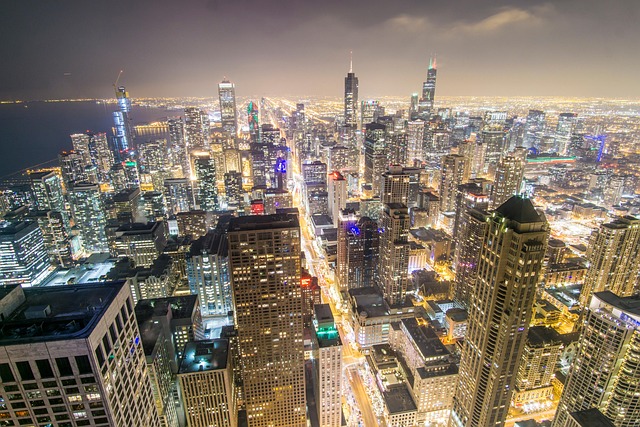
The light phase immediately preceding sunset—known as the golden hour—begins roughly 45 to 60 minutes prior to the official time. During golden hour, the sun sits low in the sky, filtering light through a thick layer of atmosphere and producing warm, long shadows across Michigan Avenue and the Loop. Following sunset, the blue hour lasts about 20 to 30 minutes, turning the sky a deep cobalt while city building lights illuminate the urban grid. For broader timing principles across different regions, see Why India’s Time Zone is Offset by 30 Minutes: A Deep Dive. You can also check general tracking guides for time calculations.
How seasonal solar angles alter viewing positions
Chicago’s geographic coordinates (41.8781° N) create a wide seasonal shift in the sun’s setting compass heading. On the summer solstice in June, the sun sets far to the northwest at approximately 300 degrees. On the winter solstice in December, it sets far to the southwest at roughly 235 degrees. During the equinoxes in March and September, it sets due west at 270 degrees.
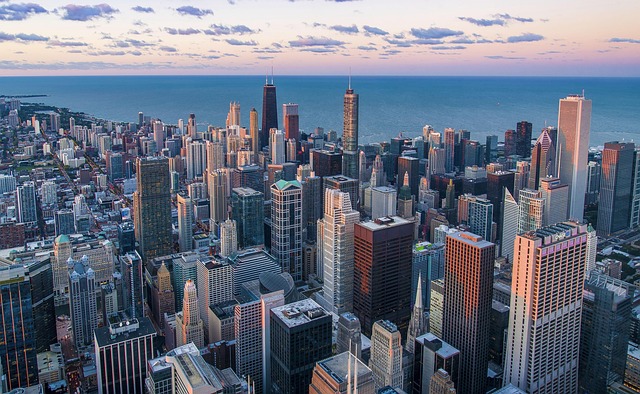
This solar movement changes which viewing spots offer the cleanest sightlines. During summer, an east-facing lakefront spot like the shoreline outside Adler Planetarium places the setting sun directly behind the main cluster of Loop skyscrapers. The sun sinks behind the Willis Tower and Aon Center, casting dramatic silhouettes across Monroe Harbor. In contrast, during winter, the southwest setting sun sits further to the left of the central skyline when viewed from the same spot, sending angled pink light against the eastern glass facades of the buildings.
Understanding these light angles allows you to predict architectural highlights. In mid-summer, western glass walls on skyscrapers along the Chicago River reflect intense golden sheet light back toward the east. In late fall, lower angles create deep, elongated shadow canyons down east-west thoroughfares like Randolph, Madison, and Adams Streets. To explore light behavior in other urban environments, read about Chicago lighting dynamics or contrast them with coastal settings like sunrise trends in California.
Where are the best places to watch a sunset in Chicago?
Selecting a sunset spot depends on whether you prefer open public parks, high-altitude observation decks, dynamic urban river walks, or rooftop dining settings.
Lakefront and park vantage points
Adler Planetarium Skyline Walk: Located on the eastern tip of Northerly Island, this grassy peninsula offers what is widely considered the definitive Chicago skyline view. Looking west across the water of Lake Michigan and Monroe Harbor, you see the entire downtown architectural wall. It is free, open until 11:00 PM, and spacious enough for blankets or camera tripods. Parking at the nearby lot is paid and fills quickly on warm summer evenings.
Promontory Point: Jutting into Lake Michigan at 55th Street in Hyde Park, this man-made peninsula features step-stone revetments and open green space. Looking northwest, you get a distant perspective of the downtown skyline rising out of the water. Promontory Point suits those seeking quiet, natural surroundings away from downtown noise, though its exposure to open water makes it significantly colder and windier during shoulder seasons.
Montrose Harbor and Fullerton Shoreline: On the North Side, Montrose Harbor offers a sweeping view looking southwest toward Lincoln Park and the Loop. Fullerton Avenue Beach provides an elevated concrete boardwalk directly adjacent to the water, placing the skyline right along the southern horizon as the sky turns orange behind the John Hancock Center (875 N Michigan Ave).
High-altitude observation decks
Skydeck Chicago at Willis Tower: Positioned on the 103rd floor, Skydeck provides an unmatched 360-degree view spanning up to 50 miles across four states on clear days. Watching sunset from 1,353 feet allows you to see the shadow of the skyscraper stretch miles eastward across Lake Michigan while the horizon bleeds orange to the west. Tickets require advance timed-entry reservations, and interior glass glare can challenge evening photography.
360 Chicago at 875 N Michigan Ave: Located on the 94th floor of the former John Hancock Center, 360 Chicago delivers direct views of Lake Michigan and the North Side shoreline alongside western horizon vistas. The venue offers a bar on the deck, letting visitors sip drinks while watching twilight settle over the city. Entry requires paid admission, and peak sunset hours command the largest crowds.
Urban river corridors and rooftops
Chicago Riverwalk: Running along the south bank of the main branch of the Chicago River from Lake Street to Michigan Avenue, the Riverwalk immerses you inside the city’s architectural walls. The western sections near Franklin Street and Lake Street offer direct sunset light reflecting off water and glass facades. It suits social strolls and outdoor dining, though high bridge walls can block the true horizon earlier than open lakefront sites.
Downtown Rooftop Venues: Rooftops like Cindy’s Rooftop at the Chicago Athletic Association Hotel overlook Millennium Park, offering framed views toward Lake Michigan and Monroe Harbor. Further west, LondonHouse Rooftop at Michigan Avenue and Wacker Drive looks down the Chicago River channel directly into the western glow.
Comparing top Chicago sunset locations
To decide which location fits your budget, schedule, and personal preferences, review the practical differences below.
| Location | View Type | Cost | Best Season | Key Trade-Off |
|---|---|---|---|---|
| Adler Planetarium | Panoramic skyline across water | Free | Summer & Equinox | Exposed to cold lake winds |
| Skydeck Chicago | 103rd-floor 360-degree cityscape | Paid ticket | Year-round | Glass reflections, timed tickets required |
| 360 Chicago | 94th-floor lake and skyline view | Paid ticket | Year-round | High crowd volume at golden hour |
| Promontory Point | Distant skyline looking northwest | Free | Spring & Summer | 7 miles south of downtown Loop |
| Chicago Riverwalk | Architectural urban canyon | Free public access | Late Spring to Early Fall | Early horizon blockage from tall buildings |
| Cindy’s Rooftop | Elevated Millennium Park vantage | Food/drink purchase | Spring through Autumn | Tough to secure walk-in seating |
How to plan your Chicago sunset outing
A successful sunset outing requires accounting for Chicago’s variable weather, transit logistics, and lighting dynamics.
Timing your arrival and transportation
Arrive at outdoor viewing spots at least 45 to 60 minutes before the scheduled sunset time. This guarantees time to find parking, walk to the shoreline, or clear security lines at high-altitude decks. For popular outdoor locations like Museum Campus (Adler Planetarium), CTA bus routes like the #146 Outer Drive Express provide direct service without paying for museum parking lots.
For high-altitude observatories like Skydeck or 360 Chicago, book a timed-entry ticket roughly 60 to 75 minutes prior to sunset. Ticket lines and elevator transit can take 20 to 30 minutes during peak hours, and arriving early ensures you reach the observation deck well before golden hour begins.
Navigating weather and lake breezes
Lake Michigan significantly impacts local microclimates. Even on warm summer days when downtown temperatures hover around 85°F (29°C), a sudden onshore breeze off the cooler water can drop shoreline temperatures by 10 to 15 degrees in minutes. Always bring a light jacket or windbreaker when heading to lakefront spots like Adler Planetarium or Promontory Point.
Do not automatically cancel plans if the weather forecast shows partial cloud cover. High-altitude clouds like cirrus catch setting sunlight from below, producing vibrant crimson and magenta displays during blue hour that clear skies cannot replicate. Heavy low overcast or thick fog off the lake, however, will obscure the sun completely. Check radar updates via local weather forecasts before heading out.
Photography considerations
When taking photos at indoor observatories, press your camera lens directly against the glass or use a rubber lens hood to eliminate reflections from interior overhead lighting. At outdoor locations along Lake Michigan, bring a sturdy tripod if shooting long-exposure photos during blue hour, as lakefront wind can cause camera shake. For details on timing light windows in other major cities, check out What Time is Sunset in LA? Mastering Golden Hour in 2026.
Who certain locations do not suit
High-altitude observatories do not suit budget travelers or people who dislike enclosed spaces and long lines. Promontory Point does not suit travelers reliant on quick Loop dining, as it is situated roughly seven miles south of downtown in Hyde Park. The Riverwalk does not suit landscape photographers seeking an unobstructed horizon, as tall skyscrapers cut off direct solar lines 15 to 20 minutes earlier than open parkland.
Frequently asked questions
What time is sunset in Chicago today?
Sunset time in Chicago changes daily, ranging from 4:21 PM CST in mid-December to 8:31 PM CDT in late June. You can verify today’s exact time by checking daily astronomical schedules on Sunrise-Sunset.org.
Where is the best free place to watch the sunset in Chicago?
The grassy area surrounding Adler Planetarium on the Museum Campus is the best free spot. It offers an unobstructed westward view of the entire Chicago skyline framed across Lake Michigan and Monroe Harbor.
Can you see the sun set directly into Lake Michigan from Chicago?
Because Lake Michigan lies to the east of Chicago, the sun sets over land to the west rather than into the water. However, from southern vantage points like Promontory Point or from boats on the lake looking back, you see the setting sun sink behind the skyline right at the lake edge.

About Yasir Hafeez
Yasir Hafeez is the creator of itsdately a free, independent site for clear world time, calendars, and date tools.