Experiencing the San Francisco sunset and sunrise is more than just watching the sky change color; it’s about navigating a city known for its unpredictable microclimates to witness truly spectacular natural artistry. While many simply check the daily times, maximizing your golden and blue hour views in the Bay Area requires a strategic approach, considering everything from fog patterns to prime vantage points. Most visitors and even locals often miss the most breathtaking displays because they underestimate the role of San Francisco’s unique atmospheric conditions. Here’s how to ensure your next encounter with the city’s dawn or dusk is truly unforgettable.
Key Takeaways
- San Francisco’s microclimates, especially fog, are critical to predicting good sunrise and sunset views.
- Strategic planning using local weather forecasts can help you ‘chase’ clear skies for optimal viewing.
- Specific vantage points offer distinct experiences, from romantic seclusion to panoramic cityscapes.
- Golden Hour and Blue Hour provide unique photographic opportunities that vary with the season.
- Always dress in layers and account for wind when planning an outdoor viewing experience.
Understanding San Francisco’s Unique Light Cycles
San Francisco’s position on the western edge of the North American continent, coupled with its hilly topography and proximity to the Pacific Ocean, creates a distinct pattern for its daily light cycles. The sun’s path across the sky dictates the length of daylight, which fluctuates dramatically between summer and winter. During the summer months, particularly in June and July, daylight hours are at their longest, pushing sunsets well into the evening. Conversely, winter sees shorter days and earlier sunsets, often coinciding with peak commute times. Understanding these natural rhythms is the first step to truly appreciating the San Francisco sunset and sunrise. The tilt of the Earth’s axis means that around the summer solstice in June, San Francisco experiences its longest daylight hours, offering extended evenings. In contrast, the winter solstice in December brings the shortest days, with the sun setting relatively early. This seasonal shift significantly impacts planning for both leisurely evenings and early morning activities.
Mastering the Golden Hour and Blue Hour in SF
Beyond the exact sunrise and sunset times, the ‘golden hour’ and ‘blue hour’ are crucial periods for photographers and anyone seeking the most ethereal light. Golden hour, the period shortly after sunrise or before sunset, bathes the city in soft, warm, diffused light, perfect for photography. The blue hour, occurring just before sunrise or after sunset, offers a cool, tranquil light where the sky takes on deep blues and purples. These transitional periods, typically lasting 30–60 minutes, provide a completely different aesthetic to the direct spectacle of the sun crossing the horizon. For instance, if sunset is at 8:18 PM on August 3, 2026, the golden hour might extend from around 7:30 PM to 8:45 PM, blending into the blue hour. These times are approximate and influenced by atmospheric clarity, but learning to anticipate them allows for better planning, especially for photographers aiming for specific lighting effects. Capturing the iconic Golden Gate Bridge during these times can yield truly stunning results. For more on celestial timing, explore What Time Does the Sun Set? Unraveling Daily Light Cycles on unraveling daily light cycles.
Top Spots for Breathtaking San Francisco Sunrises
For early risers, San Francisco offers several unparalleled locations to witness the dawn. Catching the San Francisco sunrise is often a quieter, more reflective experience than sunset, and many spots offer unique perspectives of the city coming to life. Battery Spencer, located on the Marin Headlands side, provides an iconic view of the Golden Gate Bridge framed by the rising sun. The light here is exceptionally soft, often casting the city in a gentle glow. Another excellent spot is Treasure Island, offering panoramic views of the entire San Francisco skyline, including the Bay Bridge, as the sun ascends behind the East Bay hills. For a unique urban sunrise, Twin Peaks offers a high-altitude vantage point over the city, allowing you to watch the fog recede and the city gradually illuminate. These locations require an early start, but the reward of seeing the city awaken is well worth it.
Prime Locations for Captivating San Francisco Sunsets
The San Francisco sunset draws crowds for a reason, and knowing the best spots can elevate your experience. One perennial favorite is Twin Peaks, which provides a sweeping 360-degree vista of the city, the bay, and the Pacific. It’s easily accessible by car, but parking can be competitive. Another classic is Lands End, particularly near the Sutro Baths ruins. Here, you get dramatic cliffside views of the Pacific Ocean and the Golden Gate Bridge, often accompanied by crashing waves. For a more relaxed, beachside experience, Ocean Beach offers vast stretches of sand to watch the sun dip below the horizon. Consider also the Berkeley Marina or Causality for distant city views bathed in sunset hues, offering a different perspective than being within the city itself. Each location provides a distinct backdrop for the dramatic San Francisco sunset.
Navigating San Francisco’s Microclimates: The Fog Factor
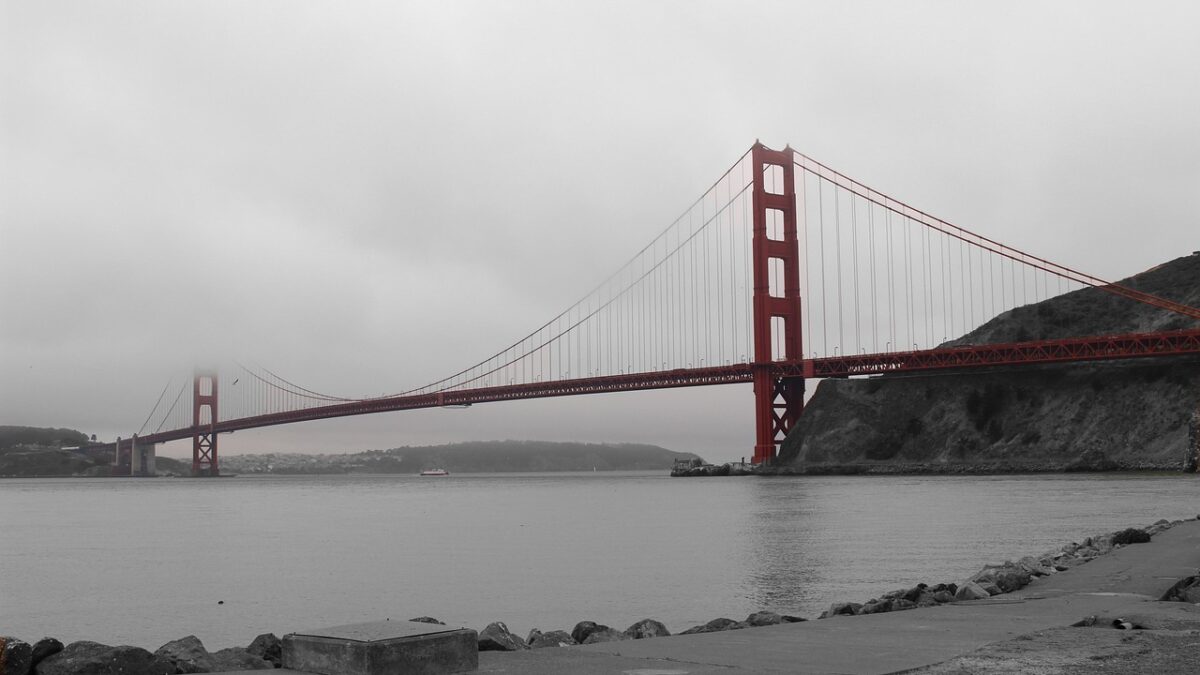
No discussion of San Francisco sunset and sunrise is complete without addressing Karl the Fog. The city’s infamous fog can make or break a viewing experience, often rolling in unexpectedly and obscuring even the clearest skies. Understanding its patterns is key to successful sun-chasing. The fog typically forms over the cold Pacific waters and is drawn inland by the warmer air of the Central Valley, often blanketing coastal areas and the Golden Gate Bridge. However, it tends to burn off faster over higher elevations and further inland. This means a foggy beach might still mean a clear Twin Peaks, or a clear day downtown could give way to a foggy sunset over the ocean. Always check local microclimate forecasts using apps like NOAA’s National Weather Service (NWS) or local news channels, which often provide fog predictions. According to NOAA (2026), coastal fog is most prevalent during summer, particularly in the mornings, but can persist or roll in during late afternoons. This local expertise is vital for planning your outing successfully.
Planning Your Perfect San Francisco Sunrise or Sunset Experience
A successful San Francisco sunset or sunrise outing involves more than just picking a spot. Dress in layers, as the city’s temperatures can drop significantly even on clear days, especially with the persistent coastal breeze. Parking can be challenging at popular spots like Twin Peaks or Battery Spencer, so arrive early. Consider packing a blanket, snacks, and warm beverages to make the experience more comfortable, particularly for a romantic sunrise date. For an evening outing, factor in dinner reservations beforehand or a picnic. Planning transportation is also crucial; public transport options are available for some locations, but others are best reached by car or ride-share. Always have a backup plan for a foggy day. Instead of a direct sun view, embrace the atmospheric drama of the fog itself, or pivot to an indoor activity with a view, such as a restaurant or bar with large windows overlooking the bay. For more Bay Area date ideas, see on planning dates in the Bay Area.
Photography Tips for San Francisco’s Unique Light
San Francisco’s dramatic skies and iconic landmarks make it a photographer’s paradise, especially during the golden and blue hours. For capturing the San Francisco sunset or sunrise, focus on wide-angle lenses to encompass the expansive views. When shooting the sun directly, use a small aperture (f/16 or higher) to create a ‘sun star’ effect and balance exposure to avoid blowing out highlights. For foggy conditions, use the diffused light to your advantage, focusing on silhouettes or the atmospheric glow around city lights. Long exposures can smooth out the water or capture light trails from traffic during twilight. Always bring a tripod for stability, especially during blue hour when light levels are low. A remote shutter release can also help prevent camera shake. The unique interplay of light, fog, and urban landscape demands adaptability and a keen eye for composition.
Common Mistakes to Avoid When Viewing Sunrises and Sunsets
Many common pitfalls can detract from an otherwise magical San Francisco sunset or sunrise experience. The most frequent error is not checking localized weather and fog reports. Relying on a general city forecast can lead to disappointment if your chosen spot is engulfed in mist. Another mistake is underestimating the cold and wind, even on what appears to be a warm day. Coastal breezes can be biting, turning a pleasant viewing into an uncomfortable wait. Always pack more layers than you think you’ll need. Finally, arriving too late for sunset or too close to sunrise means missing the prime golden and blue hour opportunities. These periods offer the most dynamic and colorful skies, often before the sun even breaches or dips below the horizon. Aim to be at your chosen spot at least 45 minutes before the official time.
Tips for an Unforgettable San Francisco Sun Experience
To truly make your San Francisco sunset or sunrise memorable, go beyond the obvious. Consider taking a ferry to Alcatraz or Angel Island for a unique water-level perspective of the sunrise over the city skyline. San francisco sunset sunrise offers a different scale than land-based views. For a truly immersive experience, rent a bike and cycle along the Golden Gate Bridge for a moving perspective, or explore the trails at Lands End as the sun changes. Pack a small, portable chair or blanket, especially if you plan to stay awhile at a scenic overlook. If photography is your passion, experiment with different filters, such as a graduated neutral density filter, to balance the bright sky with a darker foreground. These small additions can significantly enhance your experience and the quality of your captures.
Frequently Asked Questions
What time is sunrise and sunset in San Francisco today?
Sunrise and sunset times in San Francisco vary daily. As of August 3, 2026, sunrise is typically around 6:30 AM and sunset around 8:15 PM, but these times shift throughout the month and year. Check a reliable local source for the exact current times.
How does the San Francisco fog affect viewing the sun?
San Francisco’s fog can significantly obscure both sunrise and sunset views. It often hugs the coast and Golden Gate Bridge. To find clear skies, consider higher elevation spots like Twin Peaks or areas further inland, or consult microclimate weather forecasts.
What is the best month to see a clear San Francisco sunset?
September and October often offer the clearest and warmest weather for San Francisco sunsets and sunrises, with less fog compared to the summer months. However, beautiful displays can occur any time of year with favorable weather conditions.
Are there any hidden gems for watching the San Francisco sunrise?
While popular spots are well-known, consider Corona Heights Park for intimate city views or the Presidio’s coastal trails for a tranquil, nature-focused sunrise. These offer unique angles away from the largest crowds, particularly for the San Francisco sunrise.
Can I see the Golden Gate Bridge at both sunrise and sunset?
Yes, the Golden Gate Bridge is a prime location for both San Francisco sunrise and sunset. For sunrise, view it from the Marin Headlands side (Battery Spencer). For sunset, options include Baker Beach, Lands End, or even the bridge itself. Visibility depends heavily on fog.
What should I bring when planning a sunset or sunrise outing in San Francisco?
Always bring warm layers of clothing, even in summer, due to coastal winds and temperature drops. Consider a blanket, snacks, water, and a fully charged phone for photos and navigation. A tripod is essential for quality photography. Embracing the San Francisco sunset and sunrise means understanding the city’s unique charm, from its celestial mechanics to its famous fog. By planning strategically and knowing where to go, you can transform a simple glance at the sky into an extraordinary experience, creating lasting memories of the Bay Area’s natural beauty. Information current as of August 2026.