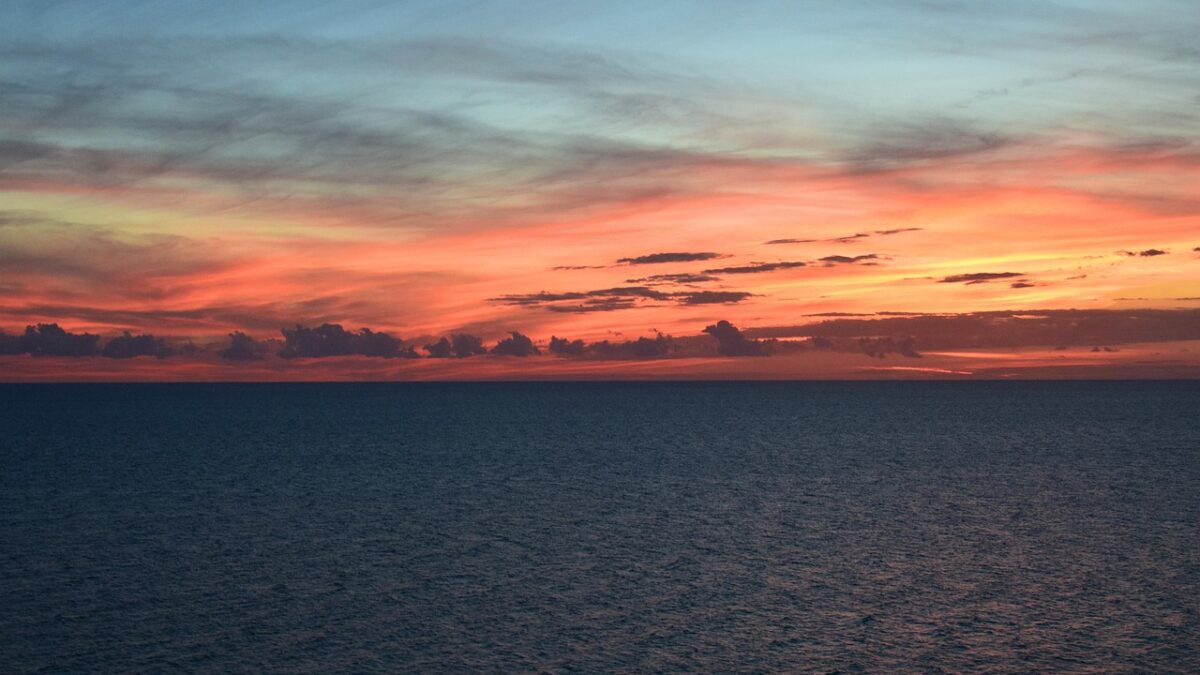
A common question asked is simply, “What time is sunset?” Yet, the true value lies not just in knowing the exact moment the sun dips below the horizon, but in understanding the intricate dance of celestial mechanics that governs our daily light cycles. This deeper comprehension transforms a mere time check into a powerful strategic asset, allowing for optimized planning, enhanced well-being, and even improved safety across various aspects of life.
- Sunset times are influenced by latitude, longitude, day of the year, and atmospheric conditions, making accurate prediction complex.
- Understanding the different phases of twilight (civil, nautical, astronomical) is crucial for activities requiring specific light levels.
- Daylight Saving Time significantly shifts perceived sunset times, requiring careful adjustment for planning.
- Utilizing reliable tools and official data sources ensures precision, which is vital for photography, event planning, and energy management.
- Strategic planning around sunset can optimize outdoor activities, improve safety, and enhance energy efficiency.
The Science Behind Sunset Times
Sunset is defined as the moment the upper limb of the sun disappears below the horizon. However, this seemingly simple event is governed by a complex interplay of astronomical factors that cause it to vary daily and geographically. Key among these are the Earth’s axial tilt, its orbit around the sun, and the observer’s specific latitude and longitude.
Last updated: August 3, 2026
The Earth’s 23.5-degree axial tilt is responsible for the seasons, directly affecting the sun’s apparent path across the sky. As the Earth orbits, the Northern or Southern Hemisphere tilts more towards the sun, leading to longer or shorter daylight durations and consequently, earlier or later sunset times. This seasonal light change is most pronounced at higher latitudes.
Latitude plays a crucial role: locations closer to the equator experience less variation in sunset times throughout the year compared to those nearer the poles. For instance, a city like Quito, Ecuador (near the equator), sees only minor shifts, while Reykjavík, Iceland, experiences dramatic changes, with summer sunsets stretching past midnight and winter sunsets occurring in the early afternoon.
Longitude also matters, as it dictates the observer’s position relative to the local meridian and thus the timing of solar events. Furthermore, atmospheric refraction causes the sun to appear above the horizon even when it has technically set, bending light rays and extending the visible daylight by several minutes. According to the U.S. Naval Observatory, this refraction effect can add approximately 2–3 minutes to perceived daylight, depending on atmospheric conditions.
Understanding the Phases of Twilight
Sunset isn’t an abrupt end to light; it’s followed by distinct phases of twilight, each with unique characteristics and practical implications. These phases are defined by the sun’s angular depression below the horizon, moving from the bright glow immediately after sunset to complete darkness.
Civil Twilight: This begins at sunset and lasts until the sun’s center is 6 degrees below the horizon. During civil twilight, there’s enough natural light for outdoor activities without artificial illumination. It’s the period often referred to as the ‘golden hour’ for photographers, offering soft, warm light. Most daily activities can continue, though streetlights typically activate.
Nautical Twilight: Following civil twilight, this phase occurs when the sun is between 6 and 12 degrees below the horizon. The horizon is no longer distinguishable, making it difficult to navigate by sea without instruments (hence ‘nautical’). Stars become visible, and the sky deepens into a rich blue, often called the ‘blue hour.’
Astronomical Twilight: This is the darkest phase, with the sun between 12 and 18 degrees below the horizon. By the end of astronomical twilight, the sky is completely dark, and all but the faintest stars and celestial objects are visible. This period is ideal for astronomical observations, as there’s no residual sunlight. After this, full night has fallen.
Knowing these distinctions is vital for planning. For instance, an outdoor wedding planner needs to know civil twilight ends to ensure adequate lighting, while a stargazing enthusiast requires the onset of astronomical twilight for optimal viewing. Daylight Saving Time: Exact Dates for US, UK & Europe
The Impact of Daylight Saving Time
Daylight Saving Time (DST) dramatically shifts our perception of sunset times, though it doesn’t alter the actual astronomical event. When clocks ‘spring forward,’ an hour of daylight is effectively moved from the morning to the evening, making sunset appear an hour later by the clock. This change is implemented across many regions to maximize daylight utility during warmer months.
The practical effect of DST is a later sunset time that extends usable daylight well into the evening. For example, a sunset that would naturally occur at 7:00 PM local standard time shifts to 8:00 PM during DST. This extension often leads to increased participation in outdoor sports, longer evening commutes in daylight, and a perceived boost in mood due to prolonged evening light.
However, DST also introduces complexities. Planning for events or activities that depend on natural light requires constant awareness of whether standard or daylight saving time is in effect. For businesses, extended daylight can mean later closing times for outdoor venues or a reduction in early evening electricity usage. Conversely, the abrupt shift can disrupt circadian rhythms, particularly in the weeks immediately following the change.
While the debate over the benefits and drawbacks of DST continues globally, understanding its direct impact on reported sunset times is essential for accurate planning in regions where it’s observed. The National Institute of Standards and Technology (NIST) provides detailed information on DST schedules and their effects on timekeeping. NIST (2026) offers current schedules and historical context for these temporal adjustments.
Calculating and Tracking Accurate Sunset Data
Accurate sunset data is critical for precise planning, moving beyond general estimates. While many online calculators provide quick results, understanding their underlying mechanisms and choosing reliable sources is paramount. Most calculators use astronomical algorithms based on your geographic coordinates (latitude and longitude), current date, and elevation.
Online Calculators: Websites like Time and Date (timeanddate.com) and the U.S. Naval Observatory (aa.usno.navy.mil) are highly authoritative sources. They compute precise sunrise and sunset times, along with various twilight phases, for virtually any location on Earth. These tools often allow you to input specific dates, cities, or even GPS coordinates for tailored results.
Mobile Applications: Numerous apps leverage your device’s GPS to provide real-time sunset data. Apps like "Sun Surveyor" or "PhotoPills" offer detailed information for photographers, including golden hour and blue hour timings, sun path visualizations, and even moon data. Many general weather apps also include sunset times, though their precision for specific twilight phases may vary.
Official Almanacs and Local Observatories: For the highest level of accuracy and historical data, consulting a printed almanac or the website of a local astronomical observatory can be beneficial. These sources often provide detailed tables and context-specific information, valuable for long-term planning or scientific research. Always cross-reference data when planning critical, time-sensitive events.
When selecting a tool, consider its update frequency and its ability to account for local atmospheric conditions, which can slightly alter perceived times. Some advanced calculators can even adjust for elevation, which impacts when the sun is physically obscured by the horizon.
Practical Applications: Strategic Planning with Sunset
Beyond casual observation, understanding and utilizing sunset times offers significant practical advantages for strategic planning across various domains. The value of this information is evident in activities where light conditions are paramount.
Event Planning: For outdoor events like weddings, concerts, or festivals, knowing the exact civil twilight period is crucial. A wedding photographer might aim for portraits during the ‘golden hour,’ while an event organizer needs to ensure lighting is prepared before darkness descends. Misjudging sunset can lead to poor photo quality, safety concerns, or unexpected lighting costs.
Energy Management: Businesses and homeowners can optimize energy usage by integrating sunset data into their automation systems. Smart lighting systems can be programmed to activate precisely at civil twilight, ensuring safety and comfort while minimizing unnecessary electricity consumption. This is particularly valuable for large commercial properties or public spaces.
Photography and Videography: Professionals in visual media meticulously plan shoots around golden and blue hours. The soft, diffuse light of the golden hour enhances colors and textures, while the deep, saturated blues of the blue hour create dramatic mood. Missing these narrow windows due to inaccurate sunset data can compromise artistic vision and require costly reshoots.
Outdoor Activities and Safety: Hikers, campers, and cyclists can plan their routes and timings to avoid being caught in darkness. Knowing the onset of nautical twilight is crucial for ensuring safe return before visibility severely degrades. This knowledge is not just convenient; it’s a vital safety measure for anyone spending time outdoors. Before Mechanical Clocks: Water Clocks, Hourglasses, and Candle Time
Optimizing Daily Life with Sunset Knowledge
Integrating sunset knowledge into daily routines can lead to subtle yet profound improvements in lifestyle, safety, and efficiency. It allows for a more harmonious alignment with natural light cycles.
For parents, knowing when civil twilight ends can help plan children’s outdoor play or ensure they are safely indoors before full darkness. This simple awareness prevents last-minute rushes and enhances safety, especially during shorter winter days.
Commuters can use sunset information to plan their routes, especially if they cycle or walk. Adjusting departure times by even 15–20 minutes can mean the difference between traveling in daylight or navigating in low-light conditions, significantly impacting safety and comfort. This is particularly relevant for those in urban environments with heavy traffic or rural areas with limited street lighting.
Even for personal well-being, understanding daily light cycles is beneficial. Exposure to natural light earlier in the day and dimming artificial lights after sunset supports healthy circadian rhythms, which can improve sleep quality and overall mood. Knowing when natural light will diminish allows for proactive adjustment of indoor lighting to support these rhythms.
Consider a small business owner with an outdoor patio. By knowing the precise civil twilight, they can schedule staff to set up decorative lighting or portable heaters just as natural light begins to fade, ensuring a smooth transition for customers and avoiding wasted energy from premature activation.
Common Mistakes in Using Sunset Times
While sunset times seem straightforward, several common pitfalls can lead to miscalculations and suboptimal planning. Avoiding these mistakes ensures you fully leverage this valuable data.
One frequent error is relying on generic regional sunset times rather than location-specific data. Sunset can vary by several minutes even within the same state, especially in areas with significant east-west breadth or varied topography. Always use precise latitude and longitude for your exact location, not just the nearest major city.
Another mistake is confusing astronomical sunset with the end of usable daylight. Sunset marks the sun’s disappearance, but civil twilight extends usable light for another 20–30 minutes. Planning an activity to conclude precisely at sunset often means finishing in dimming light, which might be too late for certain tasks or photography.
Neglecting the impact of Daylight Saving Time is a significant oversight. If you’re looking at an astronomical almanac that doesn’t account for DST, your clock time will be an hour off during the DST period. Always verify if the source you’re using automatically adjusts for DST or if you need to apply the shift manually.
Finally, overlooking atmospheric conditions can lead to minor discrepancies. Heavy cloud cover or haze can make the sky appear darker earlier, effectively shortening the usable light even if the official sunset time is later. While harder to predict precisely, being aware of local weather forecasts can help you make minor adjustments to your plans.
Expert Tips for Using Daily Light Cycles
Maximizing the benefits of knowing sunset times involves a proactive and informed approach. Here are some expert tips to integrate this knowledge effectively into your daily and seasonal planning.
Use Dedicated Apps with Alerts: Instead of manually checking, use a reliable mobile app that provides real-time sunset data for your location and offers customizable alerts for civil, nautical, or astronomical twilight. This ensures you never miss a crucial light window.
Create a Seasonal Planning Calendar: For recurring events or activities, create a simple calendar noting sunset times for key dates throughout the year. This helps visualize seasonal shifts and allows for better long-term planning, whether for garden maintenance or community events.
Consider Topography: If you live in an area with hills or mountains, the sun might physically disappear behind them earlier than the astronomical sunset time calculated for a flat horizon. Factor in your local topography for a more accurate understanding of when direct sunlight will truly vanish.
Educate Your Team or Family: Share your knowledge. If you’re planning an outdoor event, ensure your team understands the different twilight phases and their implications for lighting, photography, and logistics. For families, this translates to better-planned outdoor playtime or evening errands.
For instance, when planning a family barbecue, instead of aiming for “around 6 PM,” check the civil twilight for your location. If it ends at 7:30 PM, you know you have ample time for grilling and eating in natural light, but should prepare to transition to artificial lighting shortly after. This specific approach elevates planning from guesswork to precision.
Frequently Asked Questions
What is the golden hour?
The golden hour is the period of time shortly after sunrise or before sunset, during civil twilight, when the sun is low in the sky. It’s characterized by soft, warm, and diffuse light, ideal for photography and creating a pleasant ambiance.
How does latitude affect sunset times?
Latitude significantly impacts sunset times. Locations closer to the equator experience less variation in sunset times throughout the year, while those at higher latitudes (further from the equator) see much larger seasonal differences in daylight duration and sunset times.
Why does sunset time change every day?
Sunset times change daily primarily due to the Earth’s elliptical orbit around the sun and its axial tilt. This combination alters the angle at which the sun’s rays strike different parts of the Earth, causing the duration of daylight and the timing of sunset to shift progressively.
Is sunset the same as the start of darkness?
No, sunset is when the sun’s upper edge drops below the horizon. it’s followed by civil, nautical, and astronomical twilight, during which varying degrees of natural light persist before complete darkness (night) truly sets in.
What is the blue hour?
The blue hour is the period of twilight when the sun is significantly below the horizon, but before full darkness. It typically occurs during nautical twilight, offering a cool, deep blue light that’s popular for atmospheric photography.
Do mountains affect sunset times?
Yes, local topography like mountains or tall buildings can affect your perceived sunset time. The sun may disappear behind these obstructions earlier than the calculated astronomical sunset for a flat horizon, effectively shortening your period of direct sunlight.
Conclusion
Understanding sunset times is far more than a simple exercise in timekeeping; it’s a foundational element for strategic planning in a world governed by natural light. By appreciating the astronomical nuances, the distinct phases of twilight, and the impact of factors like Daylight Saving Time, you gain a valuable tool. This knowledge empowers you to optimize daily activities, enhance safety, manage energy efficiently, and make the most of every day’s unique light cycle.
Information current as of August 2026.