
- Today
- Saturday, 31 October 2026 · ISO week 44 · day 304 of the year
Computed on every visit from the time-zone database and standard astronomical formulas, so these never go stale. The article below is unchanged.
San Antonio, Texas operates in the Central Time Zone (CT). During the spring and summer months, the city observes Central Daylight Time (CDT, UTC-5), which sits one hour behind Eastern Time and two hours ahead of Pacific Time, before returning to Central Standard Time (CST, UTC-6) each autumn.
Coordinates across South Texas depend on this standard clock alignment for municipal services, transit schedules at San Antonio International Airport (SAT), and commerce across the region. Anyone coordinating remote work, setting travel itineraries, or contacting residents in San Antonio must track whether the city is currently observing standard time or daylight saving time.
Which time zone is San Antonio in?
San Antonio sits in Bexar County in south-central Texas and is governed by the Central Time Zone. This means local clocks alternate between two official offsets throughout the calendar year:
- Central Standard Time (CST): UTC-6, active from early November through early March.
- Central Daylight Time (CDT): UTC-5, active from early March through early November.
While the vast majority of Texas follows Central Time—including Houston, Dallas, Austin, and Corpus Christi—the far western portion of the state does not. El Paso and Hudspeth counties lie in the Mountain Time Zone (MST/MDT), which is one hour behind San Antonio year-round. If you are traveling westward along Interstate 10 across Texas, you cross from Central Time into Mountain Time when entering Hudspeth County, just past Van Horn.
When does San Antonio change clocks for Daylight Saving Time in 2026?
According to updates compiled by 24timezones.com, San Antonio follows the standard United States Daylight Saving Time schedule set by federal law under the Uniform Time Act. In 2026, the bi-annual clock adjustments occur on these exact dates:

- Spring Forward: Sunday, March 8, 2026, at 2:00 AM CST. Clocks advance one hour to 3:00 AM CDT. This transition reduces local standard time by one hour overnight.
- Fall Back: Sunday, November 1, 2026, at 2:00 AM CDT. Clocks move back one hour to 1:00 AM CST. This transition restores standard time and adds one hour to the overnight schedule.
Looking ahead to 2027, Daylight Saving Time in San Antonio will begin on Sunday, March 14, 2027, and end on Sunday, November 7, 2027. Because federal regulation dictates these clock shifts across participating states, Texas does not make independent adjustments outside this federal framework.
How San Antonio time compares to other major cities
Understanding San Antonio time relative to major economic centers requires comparing its position during both Central Standard Time (UTC-6) and Central Daylight Time (UTC-5). Because most other U.S. regions shift their clocks on the exact same dates, relative time differences between domestic cities remain constant throughout the year.
San Antonio maintains the following standard relationships across domestic time zones:
- Eastern Time (New York, Miami, Atlanta): San Antonio is 1 hour behind. When it is 12:00 PM in San Antonio, it is 1:00 PM in New York.
- Central Time (Chicago, Houston, Minneapolis): San Antonio shares the exact same time zone. There is 0 hours difference.
- Mountain Time (Denver, Salt Lake City, Albuquerque): San Antonio is 1 hour ahead. When it is 12:00 PM in San Antonio, it is 11:00 AM in Denver.
- Pacific Time (Los Angeles, Seattle, San Francisco): San Antonio is 2 hours ahead. When it is 12:00 PM in San Antonio, it is 10:00 AM in Los Angeles.
- Alaska Time (Anchorage): San Antonio is 3 hours ahead. When it is 12:00 PM in San Antonio, it is 9:00 AM in Anchorage.
- Hawaii-Aleutian Standard Time (Honolulu): Hawaii does not observe DST. During CDT (March–November), San Antonio is 5 hours ahead of Honolulu. During CST (November–March), San Antonio is 4 hours ahead.
The table below outlines time conversions between San Antonio and key global destinations across standard and daylight savings periods:
| Location / City | San Antonio (CST, Nov–Mar) | San Antonio (CDT, Mar–Nov) | Difference from San Antonio |
|---|---|---|---|
| New York (ET) | 1:00 PM | 1:00 PM | +1 hour |
| Chicago (CT) | 12:00 PM | 12:00 PM | Same time |
| Denver (MT) | 11:00 AM | 11:00 AM | -1 hour |
| Los Angeles (PT) | 10:00 AM | 10:00 AM | -2 hours |
| Phoenix (MST – No DST) | 11:00 AM | 10:00 AM | -1 hr (winter) / -2 hrs (summer) |
| London (GMT / BST) | 6:00 PM (GMT) | 6:00 PM (BST)* | +6 hours (varies on switch weeks) |
| Tokyo (JST – No DST) | 3:00 AM (next day) | 2:00 AM (next day) | +15 hrs (winter) / +14 hrs (summer) |
* Note: European countries transition into daylight saving time on different Sundays in March and October than the U.S., creating brief one-week periods where the offset shifts by an additional hour.
Seasonal daylight hours and solar trends in San Antonio
Because San Antonio sits at a latitude of roughly 29.42° N, daylight duration varies considerably less across seasons than in northern cities like Minneapolis or Seattle. However, the shift between CST and CDT markedly alters local evening light.
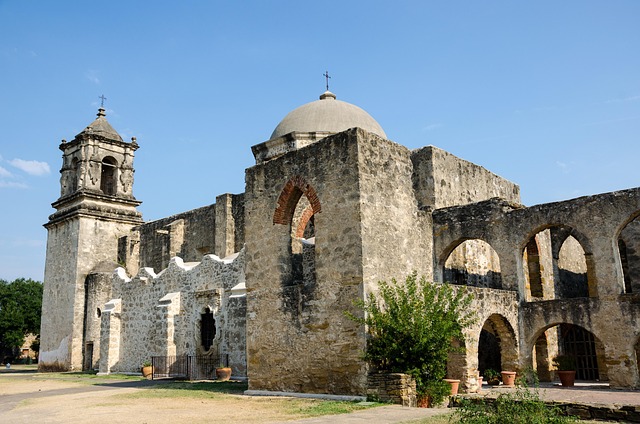
- Summer Solstice (late June): San Antonio receives approximately 14 hours and 2 minutes of daylight. Sunrise occurs around 6:35 AM CDT, with sunset near 8:37 PM CDT. Late sunsets allow extended outdoor activity along the River Walk and historic plazas after high daytime temperature spikes subside.
- Winter Solstice (late December): Daylight shrinks to approximately 10 hours and 14 minutes. Sunrise occurs around 7:21 AM CST, and sunset arrives at 5:36 PM CST.
For residents and visitors, Central Daylight Time pushes evening daylight further into the night, which helps shift outdoor walking tours and outdoor dining past the peak solar heat hours of mid-afternoon.
Practical guidance for scheduling meetings and travel in San Antonio
Managing schedules across time boundaries requires active attention to timezone notation, platform defaults, and transit times. Follow these specific steps to maintain accurate timing:
- Specify Explicit Offset Labels: When setting up calendar invites or emailing clients, never rely on a generic time designation. Write “10:00 AM CDT” or “10:00 AM CST” depending on the month, or include the numerical UTC modifier, such as “10:00 AM CDT (UTC-5).”
- Verify Real-Time Clock Displays: Cross-check uncertain appointment times using verified online clocks such as Time.is, which accounts for real-time browser location data and DST shifts.
- Configure Dual-Time Clocks in Calendar Software: Digital calendar applications like Google Calendar, Outlook, and Apple Calendar allow users to add a secondary time zone column. Displaying both your local zone and Central Time side-by-side prevents conversion errors during multi-party scheduling. For deeper background on software time offset conversions, review 6 PM CST to PST: Mastering Time Zone Conversions.
- Account for International Shift Weeks: The United States starts DST on the second Sunday in March and ends on the first Sunday in November. The United Kingdom and European Union start British Summer Time (BST) / Central European Summer Time (CEST) on the last Sunday in March and end on the last Sunday in October. During those gap weeks, the difference between San Antonio and London changes from 6 hours to 5 hours or 7 hours. For international context on cross-border scheduling, see Beyond the Clock: Truly Mastering Time at Athens.
- Review Flight Departure Times During Clock Shift Nights: If you fly into or out of San Antonio International Airport (SAT) overnight on March 8 or November 1, 2026, confirm departure and arrival times carefully. On March 8, 2:00 AM instantly becomes 3:00 AM, skipping an hour. Flights departing near 3:30 AM CDT depart just 30 minutes after 1:59 AM CST. On November 1, 2:00 AM repeats, creating a double 1:00 AM hour.
Common scheduling mistakes and how to avoid them
Coordinating across time zones often introduces predictable missteps. Recognizing these common errors helps prevent missed calls, travel delays, and administrative mix-ups:

- Confusing CST and CDT Terminology: Using “CST” during summer months (when San Antonio is actually in CDT) creates confusion for automated calendar parsers and software integrations. CST indicates UTC-6, while CDT indicates UTC-5. Using “CT” or “Central Time” is safer if you are unsure of the active daylight offset.
- Overlooking Non-DST States: Arizona (except the Navajo Nation) and Hawaii do not observe Daylight Saving Time. While San Antonio is 1 hour ahead of Phoenix during winter standard time (CST), it is 2 hours ahead of Phoenix during summer daylight time (CDT).
- Assuming All of Texas Shares San Antonio Time: Assuming a state-wide single time zone leads to late arrival when driving to West Texas destinations. El Paso operates on Mountain Time, putting it 1 hour behind San Antonio year-round.
- Failing to Update Manual Clocks: While modern smartphones and smartwatches automatically pull correct network time from cellular towers, wall clocks, vehicle dashboard instruments, and microwave displays must be updated by hand after every March and November transition.
Frequently asked questions
What time zone is San Antonio, Texas in right now?
San Antonio, Texas is in the Central Time Zone. Depending on the time of year, it observes Central Daylight Time (CDT, UTC-5) from early March to early November, or Central Standard Time (CST, UTC-6) from early November to early March.
Does San Antonio change clocks for Daylight Saving Time?
Yes, San Antonio observes Daylight Saving Time along with the rest of Texas (except for standard federal rules in non-participating states like Arizona). In 2026, clocks turn forward one hour on March 8 and turn back one hour on November 1.
Is San Antonio on the same time as Houston, Dallas, and Austin?
Yes, San Antonio shares the exact same Central Time schedule as Houston, Dallas, Austin, Fort Worth, and Corpus Christi. All major metropolitan regions in central, eastern, and northern Texas keep identical time.
How many hours difference is San Antonio from New York and Los Angeles?
San Antonio is 1 hour behind Eastern Time cities like New York and Miami. It is 2 hours ahead of Pacific Time cities like Los Angeles and Seattle. These relative differences remain consistent throughout the year because all three zones shift for Daylight Saving Time simultaneously.
What part of Texas is in a different time zone than San Antonio?
Far West Texas, specifically El Paso County and Hudspeth County, observes Mountain Time (MST/MDT), making that region 1 hour behind San Antonio. The rest of Texas resides in the Central Time Zone.

About Yasir Hafeez
Yasir Hafeez is the creator of itsdately a free, independent site for clear world time, calendars, and date tools.