A Seattle sunset or sunrise is not merely a daily occurrence; it’s a dynamic, often breathtaking spectacle shaped by the city’s unique geography and atmospheric conditions. From the dramatic fiery hues over the Olympic Mountains to the soft pastels illuminating the Cascade Range, these daily light shows offer unparalleled beauty and a perfect backdrop for any occasion. Most visitors and even long-time residents don’t fully appreciate the intricate dance of light and landscape that makes each Seattle sunset sunrise truly special. Understanding the science, knowing the prime locations, and mastering the timing can transform a casual glance into an unforgettable experience.
Key Takeaways
- Seattle’s varied geography, including Puget Sound and surrounding mountain ranges, creates unique and dramatic sunrise and sunset vistas.
- Optimal viewing requires checking precise daily sunrise and sunset times, which vary significantly with the seasons.
- Iconic viewing spots like Kerry Park and Alki Beach offer panoramic views, while lesser-known gems provide intimate experiences.
- The “golden hour” and “blue hour” before and after these events are prime for photography and romantic ambiance.
- Clouds, often present in Seattle, can enhance the spectacle by diffusing and reflecting light in vibrant ways.
The Science Behind Seattle’s Dramatic Light Shows
Seattle’s position in the Pacific Northwest, at approximately 47 degrees North latitude, means a dramatic swing in daylight hours throughout the year. Winter days are short, with late sunrises and early sunsets, while summer brings exceptionally long daylight periods, extending the magic of the golden hour. The city’s unique topography, nestled between Puget Sound to the west and Lake Washington to the east, with the Olympic Mountains to the west and the Cascade Range to the east, profoundly influences how light interacts with the landscape. The mountains act as natural canvases, catching and reflecting the sun’s rays, especially during solstices. Beyond geography, atmospheric conditions play a key role. The marine layer from the Pacific Ocean often introduces clouds, which, contrary to popular belief, can intensify the colors of a Seattle sunset sunrise. These clouds scatter sunlight, painting the sky with richer reds, oranges, and purples than a clear sky might offer.
Unveiling Seattle’s Sunset Magic: Prime Viewing Locations
For an unforgettable Seattle sunset, knowing where to go is key. The city offers a variety of perspectives, each providing a unique vista as the sun dips below the horizon. Kerry Park, despite its small size, is arguably the most famous spot. Located on Queen Anne Hill, it offers a postcard-perfect panorama of the Space Needle, downtown Seattle, Elliott Bay, and the Olympic Mountains. Arrive at least an hour early to secure a good spot, especially on clear evenings or during peak tourist season. Alki Beach in West Seattle provides a different experience, allowing you to watch the sunset directly over Puget Sound from a sandy shoreline. It’s perfect for a relaxed evening stroll or a beach picnic. The view includes the Seattle skyline across the water, making it ideal for those who enjoy a watery foreground.
Chasing the Dawn: Seattle Sunrise Spots Worth the Early Start
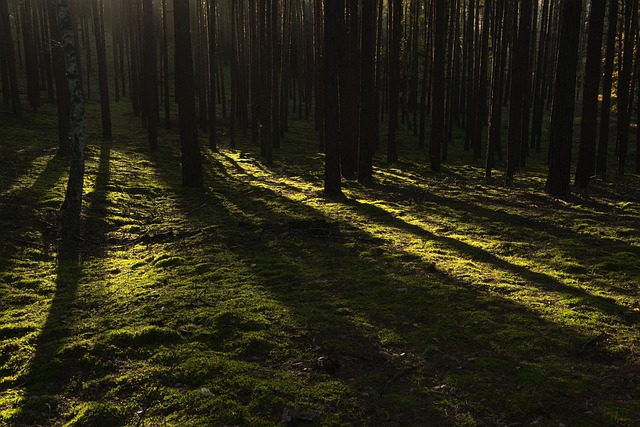
While sunsets often steal the spotlight, Seattle’s sunrises offer a quieter, equally magical experience. The early morning light often paints the Cascade Range in soft, ethereal colors. Gas Works Park on the north shore of Lake Union is an excellent choice for sunrise. Its unique industrial remnants create interesting silhouettes against the rising sun, with downtown Seattle and the Space Needle visible across the lake. The eastern orientation ensures a direct view of the dawn. Another fantastic option is the Washington Park Arboretum. Wander through its serene paths as the sun filters through the trees, casting long shadows and illuminating the botanical gardens. This spot is less about a panoramic vista and more about an immersive, tranquil experience with nature as the city awakens. The arboretum also provides unique light for nature photography.

Timing Is Everything: Understanding Seattle Sunrise Times and Sunset Times
The precise timing of the Seattle sunset sunrise changes daily, influenced by the Earth’s orbit and tilt. While many websites provide this data, it’s crucial to consult a reliable, up-to-date source. As of August 2026, Seattle’s sunrise times are typically between 5:30 AM and 6:30 AM, with sunsets occurring between 8:00 PM and 9:00 PM. These times shift significantly throughout the year. For instance, the shortest day, around December 21st, sees sunrise near 7:50 AM and sunset around 4:20 PM, offering minimal daylight. Conversely, the longest day, around June 21st, boasts a sunrise close to 5:10 AM and a sunset after 9:10 PM. Several online platforms like timeanddate.com and sunrise-sunset.org provide accurate daily and monthly calendars for Seattle, WA. Always check the specific date you plan your outing to ensure you don’t miss the peak moments.
The Golden and Blue Hours: For Photographers and Romantics
Beyond the exact moment of sunrise or sunset, the periods immediately preceding and following these events – known as the golden hour and blue hour – offer their own distinct beauty. The golden hour, or magic hour, is the period shortly after sunrise or before sunset when the sun is low in the sky, producing a soft, warm, diffused light. This light is highly prized by photographers for its flattering qualities and ability to enhance colors. For daters, it creates an incredibly romantic ambiance, perfect for a waterfront dinner or a leisurely stroll. The blue hour occurs just before sunrise or immediately after sunset, when the sun is well below the horizon, and the sky takes on deep blue and purple hues. During this time, artificial lights begin to glow, creating a striking contrast with the darkening sky. The Space Needle, for instance, looks particularly iconic during the blue hour against a deep indigo backdrop. Understanding the duration of the Seattle twilight times helps in planning.
Seasonal Shifts: How Daylight Hours Impact Your Experience
The changing daylight hours in Seattle significantly impact the experience of a sunset or sunrise. In summer, the long days mean earlier sunrises and much later sunsets, providing ample time for evening activities that culminate in a spectacular light show. Winter, however, brings shorter days and often cloudier skies. While the sun may be less frequent, when it does appear, the low angle of the sun and the presence of clouds can create exceptionally dramatic and vibrant colors, making winter sunsets particularly rewarding. The contrast between bright, clear summer days and the often moody, intensely colored winter skies is a defining characteristic of Pacific Northwest light. According to the University of Washington’s Atmospheric Sciences department, the angle of the sun at different latitudes and seasons directly affects the path of light through the atmosphere, influencing the color and intensity we perceive. This explains why Seattle’s winter sunrises, despite being later, can be just as, if not more, visually striking than summer ones.

Common Mistakes to Avoid When Planning Your Viewing
Even with the best intentions, a few common missteps can detract from your Seattle sunset sunrise experience. One frequent mistake is relying on outdated information for times. Always use a current, reputable source for daily sunrise and sunset times. Another issue is underestimating travel time and parking, especially for popular spots like Kerry Park or Alki Beach. Arriving at least 30–60 minutes before the scheduled event is advisable to avoid rushing and to enjoy the pre-show ambiance. Many forget to check the weather beyond just ‘sunny or cloudy.’ Wind chill near the water can make an evening uncomfortable, and unexpected rain showers are common. Dress in layers, regardless of the season. Finally, don’t assume a cloudy day means no show; as discussed, clouds often enhance the spectacle, so don’t let them deter you.
Tips for a Memorable Seattle Sunset or Sunrise Experience
To truly savor the magic of a Seattle sunset or sunrise, adopt a few expert strategies. First, always check real-time weather and solar data. Apps like The Photographer’s Ephemeris can provide precise sun direction and golden hour timings, which is invaluable for planning. Consider lesser-known spots like Discovery Park’s South Beach trail for a more secluded, natural view, especially for a romantic outing. This spot offers stunning vistas of the Sound and the Olympics with fewer crowds. Embrace the unexpected. Seattle’s weather is famously unpredictable, but this often leads to the most dramatic skies. A partially cloudy sky often yields more vibrant colors than a completely clear one. Pack a thermos of hot coffee for a sunrise or a bottle of wine for a sunset, and bring a blanket – even in summer, evenings by the water can be cool. Don’t forget to charge your phone or camera for those unforgettable shots!
Frequently Asked Questions
What time is sunrise in Seattle today?
Sunrise times in Seattle vary daily, influenced by the time of year. For the most accurate current time, consult a reliable online source such as timeanddate.com or a local weather app, which typically updates this information daily for August 2026.
Where is the best place to watch the sunset in Seattle?
Popular spots include Kerry Park on Queen Anne Hill for iconic skyline views, and Alki Beach in West Seattle for a waterfront perspective over Puget Sound. Other great options are Gas Works Park or a ferry ride across the Sound for unique angles.
How long does golden hour last in Seattle?
The golden hour, or magic hour, typically lasts for about an hour after sunrise and an hour before sunset. Its exact duration can vary slightly with the season and latitude, but it’s generally the period when the sun is lowest in the sky, creating warm, soft light.
Do clouds affect the beauty of Seattle sunsets and sunrises?
Clouds often enhance the beauty of Seattle sunsets and sunrises by scattering sunlight, creating a broader canvas for vibrant colors. Partially cloudy skies can lead to more dramatic and colorful displays than completely clear skies, adding depth and intensity to the light show.
Are Seattle sunrises worth waking up early for?
Absolutely. Seattle sunrises offer a serene and often spectacular experience, with the rising sun illuminating the Cascade Mountains and casting beautiful light over the city and its waterways. Locations like Gas Works Park or the Washington Park Arboretum provide unique morning perspectives.
What’s the difference between astronomical and civil twilight?
Civil twilight is when the sun is 0 to 6 degrees below the horizon, and it’s still bright enough for most outdoor activities. Astronomical twilight is when the sun is 12 to 18 degrees below the horizon, and the sky is dark enough for astronomical observation, marking the true end of the Seattle twilight times.
Conclusion
The Seattle sunset sunrise experience is a captivating blend of natural beauty and urban charm. By understanding the unique geographical influences, using accurate timing information, and knowing the best vantage points, you can elevate these daily celestial events from simple observations to cherished memories. Whether you’re planning a romantic evening or simply seeking a moment of quiet reflection, Seattle’s ever-changing skies promise a truly spectacular show. Embrace the city’s distinct light and let it inspire your next outing. Information current as of August 2026.