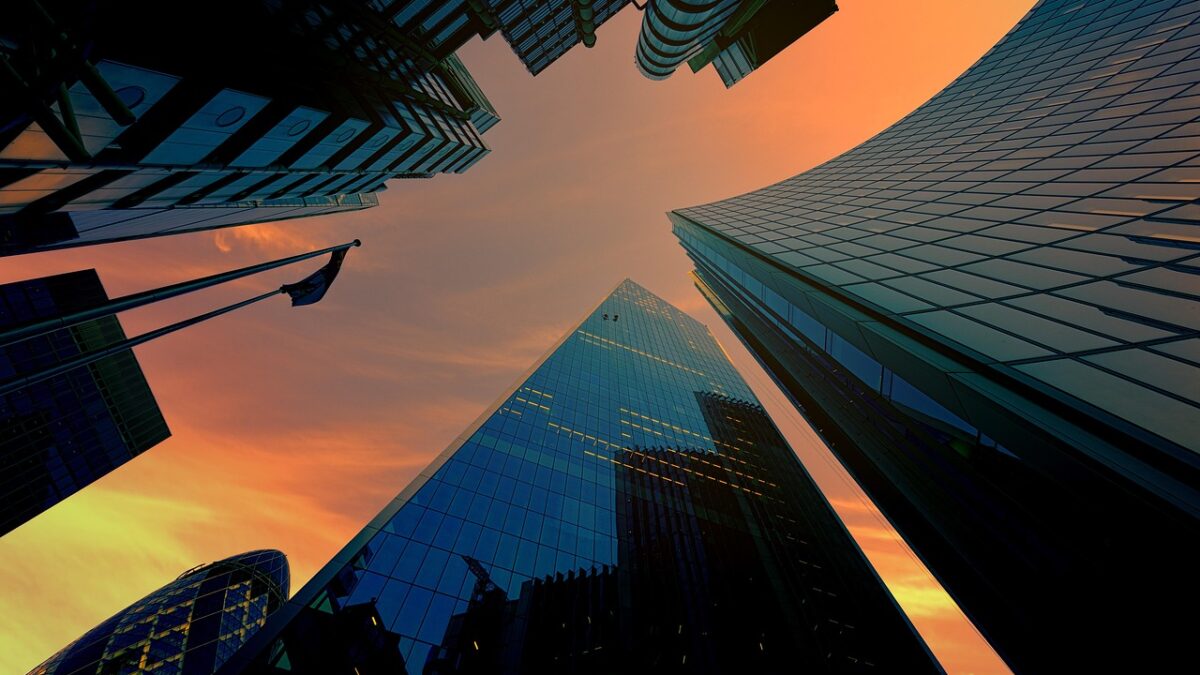
The Los Angeles sunset is a daily spectacle, painting the expansive Californian sky with hues that range from fiery orange to soft lavender. Many visitors and locals alike track the precise moment the sun dips below the horizon, but truly experiencing this natural masterpiece requires more than just checking a clock. It demands strategic planning and an appreciation for the unique atmospheric ballet that unfolds above the City of Angels.
Key Takeaways
- Los Angeles sunsets are enhanced by unique atmospheric conditions like the marine layer and urban glow, creating distinct photographic opportunities.
- Strategic timing and location scouting are crucial, with coastal spots like Santa Monica Pier offering classic ocean views and elevated points like Griffith Observatory providing panoramic cityscapes.
- Arrive 60–90 minutes before official sunset to capture the full spectrum of golden and blue hour transitions.
- Be prepared for traffic and parking challenges, especially at popular spots; consider public transport or ride-shares.
- Photography benefits from wide-angle lenses, tripods, and understanding exposure bracketing for dynamic range.
The Magic of Los Angeles Sunsets
The allure of a Los Angeles sunset lies not just in the vibrant colors, but in the dynamic interplay of geography and atmospheric conditions. From the vast expanse of the Pacific Ocean to the rugged peaks of the San Gabriel Mountains, LA’s diverse world offers a myriad of backdrops for the daily show. What often sets an LA sunset apart is the unique atmospheric effects. The marine layer, a common coastal phenomenon, can diffuse light beautifully, creating soft, pastel skies, especially during the “June Gloom” period. Conversely, clearer days, sometimes influenced by Santa Ana winds, produce intensely saturated, crisp colors. The urban glow from the city’s vast sprawl can also add a distinct orange-pink cast to the lower sky, creating a dramatic contrast with the natural twilight. Understanding these elements is key to predicting the kind of spectacle you’ll witness. A clear, crisp evening often means vivid, sharp colors, while a day with some haze can lead to softer, more ethereal light. This dynamic quality makes each Los Angeles sunset a unique event.
Understanding Los Angeles Sunset Times in 2026
The exact moment of sunset in Los Angeles varies daily throughout 2026, influenced by the Earth’s tilt and orbit. While specific times fluctuate, the general trend sees earlier sunsets in winter and later ones in summer. For instance, in August 2026, sunset times will gradually shift earlier by several minutes each day. Beyond the official sunset time, which marks when the sun’s upper limb disappears below the horizon, the ‘golden hour’ and ‘blue hour’ are crucial for photographers and romantics alike. Golden hour typically begins about an hour before sunset and extends shortly after, bathing everything in warm, soft light. Blue hour follows, offering deep, rich indigo tones as the sun drops further below the horizon. Monitoring precise times is effortless with resources like sunrise-sunset.org, which provides daily and monthly calendars for Los Angeles, CA. These tools are invaluable for planning your visit to ensure you catch the peak moments of light.
Prime Locations for a Spectacular View
Los Angeles boasts an array of iconic spots to witness its famed sunsets, each offering a distinct perspective. Your choice largely depends on the kind of view you seek.
Coastal Spectacles: Beaches and Piers
For classic ocean vistas, the beaches and piers of Los Angeles are unparalleled. Santa Monica Pier, with its Ferris wheel and bustling atmosphere, provides a vibrant foreground to the setting sun. The nearby Santa Monica State Beach offers a less crowded expanse to enjoy the horizon. Further south, Manhattan Beach Pier is another excellent choice, known for its pristine sands and picturesque pier structure. At these coastal locations, the sun dips directly into the Pacific Ocean, often creating a dramatic silhouette against the water. Arriving at least an hour before the official Los Angeles sunset time allows you to settle in and capture the full transition of colors.
Elevated Panoramas: Hills and Observatories
If sweeping cityscapes are more your style, head for higher ground. Griffith Observatory, perched in the Hollywood Hills, is arguably the most famous viewpoint. It offers breathtaking panoramic views of the Los Angeles basin, the Hollywood Sign, and the Pacific Ocean. The blend of urban lights twinkling as the sky changes color is truly magical. Another fantastic elevated spot is the Getty Center. While it closes relatively early, its gardens and terraces provide stunning views of the city and the ocean, particularly beautiful in the golden hour just before sunset. For a more rugged experience, scenic overlooks along Mulholland Drive also offer incredible perspectives, especially for a diverse view of LA.
Planning Your Perfect Sunset Experience
A truly memorable Los Angeles sunset experience requires more than just showing up. Careful planning can elevate your evening from good to unforgettable.
- Check Sunset Times Daily: Use reliable online calendars or apps to get the precise sunset time for your chosen date in August 2026. This will be your anchor for all other timing.
- Arrive Early: Aim to reach your chosen location 60 to 90 minutes before the official sunset. Los angeles sunset allows ample time for parking, finding a good spot, and enjoying the full golden hour.
- Monitor Weather Conditions: Pay attention to local forecasts for marine layer or cloud cover. A partly cloudy sky can often lead to the most dramatic colors, as clouds catch and reflect the light.
- Consider Weekday vs. Weekend: Popular spots like Griffith Observatory or Santa Monica Pier can become extremely crowded on weekends. Opting for a weekday can provide a more relaxed experience.
- Factor in Travel Time: Los Angeles traffic is legendary. Always build in extra travel time, especially if you’re crossing town during rush hour. Using real-time navigation apps is essential.
Coastal vs. Elevated Sunset Views
Choosing between a coastal or an elevated viewpoint for your Los Angeles sunset experience presents distinct advantages and drawbacks, shaping the visual narrative of your evening.
| Feature | Coastal Sunset (e.g., Santa Monica Pier) | Elevated Sunset (e.g., Griffith Observatory) |
|---|---|---|
| Primary View | Sun dipping into the Pacific Ocean, ocean horizon | Panoramic city skyline, distant ocean, mountains |
| Atmosphere | Lively, bustling, ocean breeze, pier attractions | Romantic, contemplative, vast scale, city lights |
| Crowd Level | High, especially on weekends and near attractions | Very high, especially at popular overlooks |
| Photography Focus | Silhouettes, ocean reflections, pier structures | City lights, wide-angle landscapes, urban glow |
| Accessibility | Generally easier parking (paid), flat terrain | Limited parking, uphill walks, shuttle options |
Pros & Cons of Coastal Views
Coastal spots offer the quintessential image of the sun melting into the sea. The sound of waves and the salty air create a calming yet often lively atmosphere. You can enjoy a leisurely stroll along the beach or pier as the light changes, and many locations offer dining options right on the sand.
- Pros: Direct ocean views, vibrant atmosphere, easy beach access, often less traffic-dependent.
- Cons: Can be very crowded, especially on piers; parking can be expensive; views are flat, lacking depth from elevation.
Pros & Cons of Elevated Views
Elevated viewpoints provide a sense of grandeur and scale, showcasing the vastness of Los Angeles. Watching the city lights gradually turn on against a painted sky is a truly mesmerizing experience. These spots are ideal for capturing wide-angle landscapes that encompass both natural and urban beauty.
- Pros: Sweeping panoramic views, iconic city landmarks visible, dramatic urban glow effect, often cooler temperatures.
- Cons: Extremely crowded, especially at Griffith Observatory; challenging parking; potential for heavy traffic on winding roads; can be windy.
Common Mistakes to Avoid
Despite the beauty, a Los Angeles sunset viewing can be marred by preventable errors. Being aware of these common pitfalls ensures a smoother, more enjoyable experience. One frequent mistake is underestimating LA traffic. What looks like a short drive on a map can easily become an hour-long ordeal, especially during peak commuter times. Always check real-time traffic updates and depart significantly earlier than planned. Another error is arriving too late. Many people only aim to be present for the exact moment the sun disappears, missing the magical golden hour light that precedes it and the serene blue hour that follows. This golden hour, starting roughly 60 minutes before sunset, offers some of the most beautiful light for both viewing and photography. Parking can also be a major challenge at popular locations. Forgetting to research parking options or arriving without cash for meters or lots can lead to significant delays and frustration. Consider ride-sharing services or public transport were available, particularly for places like Griffith Observatory, which offers shuttle services during peak times.
Expert Tips for Capturing the Golden Hour
The Los Angeles sunset is a photographer’s dream, but capturing its true essence requires more than just pointing and shooting. Here are insights to elevate your sunset photography. Firstly, use the ‘magic hour’ to its fullest. The light changes rapidly, so be prepared to shoot continuously. For those seeking to capture the dynamic range of a bright sky and a darker foreground, consider using exposure bracketing. This involves taking multiple shots at different exposures and blending them later in post-processing. A sturdy tripod is indispensable for this technique, especially during the low light of blue hour, ensuring sharp images without blur. Secondly, pay attention to your composition. Incorporate iconic LA elements into your frame, such as the Hollywood Sign from Griffith Observatory, the pier structure at Santa Monica, or the unique architecture of the Getty Center. Look for reflections in windows or wet sand to add depth and interest. According to the National Geographic (2023), including foreground elements grounds your image and adds a sense of place. Finally, embrace the specific atmospheric conditions. The marine layer can create soft, diffused light perfect for capturing silhouettes, while clearer days allow for vibrant, saturated colors. Don’t be afraid to experiment with different white balance settings to enhance the mood of the scene. Sometimes, a slightly cooler white balance can bring out the blues and purples of twilight more effectively.
Frequently Asked Questions
What makes Los Angeles sunsets so unique?
Los Angeles sunsets are unique due to the city’s diverse geography, including mountains and ocean, combined with distinct atmospheric conditions. The marine layer, urban glow, and clear skies (sometimes influenced by Santa Ana winds) all contribute to a wide spectrum of colors and dramatic visual effects not commonly seen elsewhere.
What is the best time to arrive for a Los Angeles sunset?
For the best viewing and photography experience of a Los Angeles sunset, it’s highly recommended to arrive 60 to 90 minutes before the official sunset time. Los angeles sunset allows you to witness the full golden hour transition, find a good spot, and account for potential traffic or parking delays.
Are there specific times of year when LA sunsets are better?
While beautiful year-round, Los Angeles sunsets can be particularly dramatic during the fall and winter months. The lower sun angle and clearer, drier air often lead to more intense and vibrant colors. Summer can bring more marine layer haze, resulting in softer, more diffused light, though still picturesque.
Is Griffith Observatory the only good spot for elevated views?
While Griffith Observatory is iconic, it’s not the only elevated spot. Other excellent viewpoints include the Getty Center (though with earlier closing times), various overlooks along Mulholland Drive, and certain hiking trails in the Hollywood Hills. Each offers a slightly different perspective of the city and coastline.
How can I avoid crowds at popular Los Angeles sunset spots?
To avoid crowds, consider visiting popular Los Angeles sunset locations on weekdays rather than weekends. Arriving extra early or staying a bit later into blue hour can also help. Exploring less-known overlooks or smaller beaches can also provide a more tranquil experience, though with potentially less iconic views.
What should I bring for a sunset viewing?
For a comfortable Los Angeles sunset viewing, bring layers of clothing as temperatures can drop significantly after dark, especially near the coast or at elevated points. A fully charged phone or camera, water, and snacks are also advisable. If photographing, a tripod and appropriate lenses are essential.
Conclusion
Experiencing a Los Angeles sunset is more than just watching the day end; it’s an immersion into a unique natural phenomenon, shaped by the city’s distinctive landscape and atmospheric dance. By understanding the optimal times, strategic locations, and subtle atmospheric nuances, you can transform a simple viewing into a truly spectacular and memorable event. Plan ahead, embrace the journey, and prepare to be captivated by the golden hour magic of the City of Angels. Information current as of August 2026.