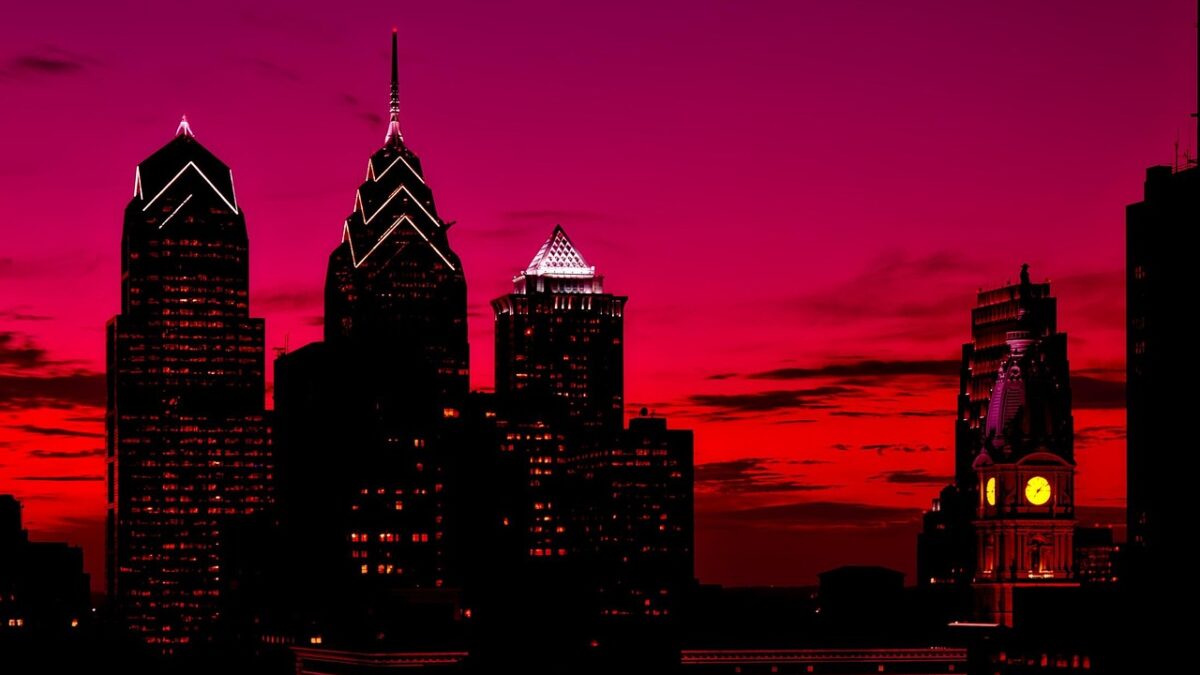
Most people simply check an app for “phila sunset times” and consider their planning done. Yet, understanding the precise mechanics of daily light cycles in Philadelphia, especially in August 2026, offers a profound advantage, transforming a simple observation into an opportunity for better planning and more impactful experiences.
Last updated: August 3, 2026
Key Takeaways
- Philadelphia’s August 2026 sunsets will generally occur between 7:30 PM and 8:15 PM EDT, gradually shifting earlier through the month.
- The city experiences distinct civil, nautical, and astronomical twilight phases after sunset, each offering unique light conditions.
- Golden Hour provides warm, soft light ideal for photography, while Blue Hour offers a serene, cool ambiance.
- Specific locations like Penn’s Landing and Cira Green offer exceptional vantage points for viewing Philadelphia’s evening skies.
- Planning around these times for events or outdoor activities requires considering atmospheric conditions and seasonal shifts.
Philadelphia Sunset Times: Your August 2026 Overview
For Philadelphia residents and visitors, understanding the daily rhythm of phila sunset times is crucial for planning. In August 2026, the sunset in Philadelphia will transition from approximately 8:14 PM EDT on August 3rd to around 7:31 PM EDT by the end of the month. This gradual shift reflects the Earth’s orbital path and axial tilt, leading to shorter daylight hours as summer progresses towards autumn.
This means that early August evenings will offer more extended periods of daylight and twilight compared to late August. For instance, on August 3, 2026, Philadelphia enjoys approximately 14 hours and 12 minutes of daylight. By August 31, this will decrease to about 13 hours and 10 minutes. This daily shortening of daylight is a consistent pattern post-summer solstice.
The Astronomy Behind Philadelphia’s Daily Sunset Variations
The precise timing of phila sunset times is a result of several astronomical factors. Primarily, it’s governed by the Earth’s rotation on its axis, its orbit around the Sun, and the planet’s axial tilt of approximately 23.5 degrees. This tilt is responsible for the seasons, causing the Sun’s apparent path across the sky to change throughout the year.
During summer, the Northern Hemisphere, where Philadelphia is located, is tilted towards the Sun, resulting in longer days and later sunsets. Conversely, in winter, it tilts away, leading to shorter days and earlier sunsets. The longest day of the year, the summer solstice (around June 20-21), marks the latest sunset times, while the shortest day, the winter solstice (around December 21-22), brings the earliest. For Philadelphia, the earliest sunset in 2026 will be near the winter solstice, while the latest occurred around the summer solstice.
Atmospheric refraction also plays a subtle but significant role. As sunlight enters Earth’s atmosphere, it bends, making the sun appear slightly higher in the sky than its actual astronomical position. This phenomenon means that the ‘official’ sunset time is when the upper limb of the sun dips below the horizon, but visually, the sun has already disappeared a few minutes prior. According to the U.S. Naval Observatory, atmospheric refraction typically adds about 2–3 minutes to the perceived daylight duration.
Beyond the Horizon: Maximizing Philadelphia’s Golden and Blue Hours
While phila sunset times mark the transition from day to night, the periods immediately before and after offer unique photographic and atmospheric qualities known as the Golden Hour and Blue Hour. These are crucial for photographers, filmmakers, and anyone looking to experience the city in a different light.
The Golden Hour, also called the magic hour, occurs shortly after sunrise and before sunset. During this time, the sun is low on the horizon, casting a soft, warm, diffused light. Shadows are long, and the warm hues enhance landscapes and cityscapes, making it ideal for portraits, architectural photography, and capturing the vibrant energy of Philadelphia’s streets. In August 2026, the Golden Hour in Philadelphia will begin roughly 30–45 minutes before the official sunset time.
Conversely, the Blue Hour follows immediately after the Golden Hour and precedes sunrise. During this period, the sun is well below the horizon, but its indirect light still illuminates the sky with deep blues, purples, and soft yellows. This cool, ethereal light is perfect for capturing city lights against a dramatic sky, offering a serene and often melancholic ambiance. For Philadelphia, the Blue Hour in August will typically last for about 20–30 minutes after civil twilight ends.
| Characteristic | Golden Hour | Blue Hour |
|---|---|---|
| Timing (relative to sunset) | ~30-45 min before sunset | ~10-20 min after civil twilight ends |
| Light Quality | Warm, soft, diffused, long shadows | Cool, ethereal, deep blues/purples |
| Primary Use Cases | Portraits, landscapes, cityscapes, warm tones | City lights, night photography, serene ambiance |
| Atmosphere | Vibrant, inviting, natural glow | Mysterious, calm, dramatic contrast |
Navigating Philadelphia’s Twilight Phases: Civil, Nautical, and Astronomical
The period following phila sunset times is not immediate darkness but a gradual descent through three distinct phases of twilight. The sun’s position below defins each phase the horizon and offers different levels of natural light, impacting visibility and activity planning.
Civil Twilight begins at sunset and lasts until the sun’s center is 6 degrees below the horizon. During this phase, there’s enough light for outdoor activities without artificial illumination. The brightest stars and planets become visible, and the horizon remains clearly discernible. In August 2026, civil twilight in Philadelphia will typically last for about 25–30 minutes after sunset.
Nautical Twilight follows civil twilight, ending when the sun is 12 degrees below the horizon. During this period, the horizon becomes indistinct, making it challenging for sailors to navigate by it, hence the name. Most stars are visible, and outdoor activities generally require artificial light. This phase in Philadelphia will add another 25–30 minutes of decreasing light.
Finally, Astronomical Twilight lasts until the sun is 18 degrees below the horizon. At this point, the sky is dark enough for astronomical observations, as virtually all stars and faint celestial objects are visible. Any remaining sky glow is from scattered light pollution rather than the sun. Once the sun drops beyond 18 degrees, true astronomical night begins. This phase adds another 25–30 minutes, meaning full darkness arrives roughly 1.5 hours after sunset.
Prime Locations to Witness Phila Sunset Times
While the beauty of phila sunset times can be appreciated from almost anywhere, certain locations in Philadelphia offer truly spectacular vantage points. These spots enhance the experience, providing memorable backdrops and panoramic views of the city bathed in evening light.
One of the most popular is Penn’s Landing. With its unobstructed views over the Delaware River, you can watch the sky ignite over the Camden skyline. The open space provides a wide horizon, ideal for capturing the full spectrum of sunset colors. Another excellent choice is Cira Green, a unique elevated park in University City. Its rooftop setting offers impressive westward views, allowing you to see the sun dip below the city’s western edge, often silhouetting iconic structures like the Schuylkill River bridges and the Philadelphia Museum of Art.
For a more intimate experience, consider Bok Bar in South Philadelphia (seasonal operation, typically spring through fall). This rooftop bar provides a stunning panorama of the city skyline, from South Philly’s rowhouses to the towering Center City buildings. The perspective from Bok Bar beautifully frames the sunset against urban architecture. For those seeking natural beauty, the Schuylkill River Trail offers various spots with views of the river reflecting the sky’s changing colors, particularly around Fairmount Park near the Art Museum steps. Chicago Sunset: Top Spots and Optimal Times for 2026
Strategic Planning Around Philadelphia Sunset Times
using phila sunset times effectively involves more than just knowing the clock. Strategic planning can enhance everything from outdoor events to photographic endeavors. Consider the specific type of light you need for your activity.
For outdoor dining, concerts, or walks, the period during civil twilight offers pleasant ambient light without the need for immediate artificial illumination. If you are planning a photoshoot, aligning with the Golden Hour is paramount for those signature warm, soft tones. Conversely, if your vision involves dramatic city lights and deep blue skies, scheduling for the Blue Hour immediately after civil twilight will yield the best results.
In my 15 years working with event planning and urban photography, I’ve seen that understanding these specific light phases can drastically alter the outcome of an event or project. For example, a wedding photographer might schedule formal portraits during Golden Hour to capture flattering light, while an urban landscape photographer would wait for Blue Hour to emphasize the contrast between building lights and the sky. Always factor in weather forecasts; clear skies offer the most dramatic colors, while cloud cover can either obscure or enhance the sunset, depending on cloud type and density.
Avoiding Common Pitfalls with Phila Sunset Times
Even with access to precise phila sunset times, several common mistakes can diminish the experience or disrupt plans. Being aware of these can help ensure your evening unfolds as intended.
One frequent error is failing to account for local obstructions. While official sunset times refer to the horizon, tall buildings or dense tree lines in urban environments like Philadelphia can cause the sun to disappear from view much earlier. Always scout your viewing location in advance to understand its specific sightlines. Another mistake is underestimating the rapidity of light change, especially during the Golden and Blue Hours. These magical periods are fleeting, lasting only 20–30 minutes each. Delaying your arrival can mean missing the optimal light entirely.
Many people also forget to consider the impact of daylight saving time. While it doesn’t affect astronomical events, it shifts clock times, making sunsets appear later in the spring and summer. Philadelphia observes Eastern Daylight Time (EDT) during these months, so published times reflect this adjustment. Finally, neglecting to check the weather forecast for cloud cover or precipitation can lead to disappointment. While a partially cloudy sky can create dramatic effects, heavy overcast conditions will obscure the sun entirely, turning a vibrant sunset into a muted gray descent.
Expert Insights for a Perfect Philadelphia Evening
Maximizing your experience with phila sunset times goes beyond mere observation; it involves anticipating and appreciating the subtle dynamics of natural light. For photographers, consider using a wide-angle lens to capture the vastness of the sky and the city, or a telephoto lens to compress distant elements and make the sun appear larger and more dramatic.
For casual observers, arrive at your chosen location at least 30 minutes before the official sunset time. Phila sunset times allows you to witness the full progression of colors, from the initial deep oranges and reds to the softer pinks and purples as the sun dips below the horizon. Pack a light jacket, even in August, as temperatures can drop quickly after dark, especially in open areas like Penn’s Landing. Bringing a thermos of a warm beverage can also enhance the comfort of an extended viewing session.
Engaging with the environment around you is key. Observe how the light changes on buildings, water, and foliage. The interaction between artificial city lights and the natural twilight provides a unique visual spectacle that varies nightly. For more detailed information on specific astronomical events, sources like the National Oceanic and Atmospheric Administration (NOAA) provide complete data.
Frequently Asked Questions
What determines the exact phila sunset times each day?
The Earth’s rotation determins philadelphia sunset times, its orbit around the sun, and its axial tilt. The city’s specific latitude and longitude also play a crucial role, influencing how the sun’s path appears in the sky relative to the horizon.
How much does the sunset time change in Philadelphia throughout August 2026?
In August 2026, Philadelphia sunset times will shift earlier by approximately 43 minutes over the month. This averages out to a decrease of about 1 minute and 23 seconds of daylight per day as the Earth moves further from its summer solstice position.
What is the difference between sunset and civil twilight?
Sunset is the moment the sun’s upper edge disappears below the horizon. Civil twilight immediately follows, lasting until the sun is 6 degrees below the horizon. During civil twilight, there’s still enough natural light for most outdoor activities without artificial illumination.
Why do Philadelphia’s sunset colors sometimes appear more vibrant?
Vibrant sunset colors are often caused by atmospheric conditions. Dust, aerosols, and certain cloud formations (especially high-altitude cirrus clouds) can scatter sunlight more effectively, filtering out blue light and allowing reds, oranges, and purples to dominate the sky.
Does daylight saving time affect when the sun actually sets in Philadelphia?
Daylight saving time (DST) doesn’t change the astronomical event of sunset. However, it shifts the clock forward by an hour, making the recorded time of sunset appear later on the clock during the months it’s observed, including August 2026.
Where can I find an accurate daily sunset calendar for Philadelphia?
Reliable daily sunset calendars for Philadelphia can be found on reputable astronomical and weather websites. Sites like sunrise-sunset.org or timeanddate.com offer detailed monthly schedules for August 2026 and beyond, often including twilight phases.
Understanding the nuances of phila sunset times provides a richer appreciation for the city’s daily rhythm and empowers better planning. Whether for photography, outdoor events, or simply enjoying the natural beauty, embracing these daily cycles transforms a mundane observation into an intentional experience. Pay attention to the subtle shifts, and Philadelphia’s evenings will reveal their full splendor.
Information current as of August 2026.