Quick AnswerThe time of sunset in New York City today, August 3, 2026, is approximately 8:00 PM EDT. This time changes daily due to the Earth's orbit and axial tilt, with significant seasonal variations and an additional hour shift during Daylight Saving Time, impacting evening activities across the city.
calendars for the most accurate daily sunset information, particularly when planning specific events.
Understanding the Daily Time of Sunset in New York City
The exact time of sunset in New York City is a dynamic figure, changing by a few minutes each day. While it might seem like a simple calculation, it’s the culmination of complex astronomical phenomena that dictate when the sun dips below the horizon from our vantage point in the Big Apple. This daily variation dictates the start of evening routines and the end of daylight activities.
Last updated: August 3, 2026
For instance, in early August 2026, sunset occurs around 8:00 PM EDT. By late August, this will shift to closer to 7:30 PM EDT, a noticeable difference for those planning after-work engagements or outdoor dining. These daily adjustments are particularly pronounced around the solstices and equinoxes, where the rate of change is either at its fastest or slowest.
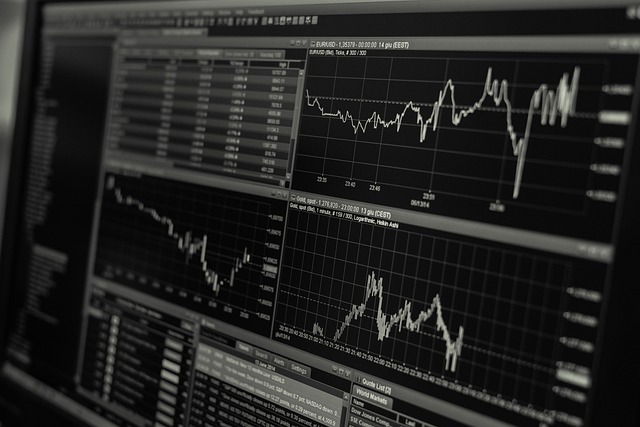
A visual representation of daily sunset time fluctuations in NYC, highlighting quicker shifts around equinoxes.
This consistent, predictable change allows for a nuanced understanding of daylight hours, which is crucial for urban logistics. From adjusting traffic patterns to scheduling maintenance work on city infrastructure, these daily variations are silently factored into the operational rhythm of New York City.
The Science Behind New York City’s Sunset Variations
The primary drivers for the daily and seasonal shifts in the time of sunset in New York City are the Earth’s axial tilt and its elliptical orbit around the sun. New York City, situated at approximately 40.7 degrees North latitude, experiences significant variations in daylight hours throughout the year due to these astronomical factors. This positioning means that the sun’s apparent path across the sky changes dramatically from summer to winter.
During the summer solstice, typically in June, the Northern Hemisphere is tilted most towards the sun, resulting in the longest daylight hours and the latest sunsets. Conversely, the winter solstice in December sees the hemisphere tilted away, leading to the shortest days and earliest sunsets. The Earth’s speed in its orbit also plays a minor role; it moves faster when closer to the sun in January, slightly affecting the length of a solar day. According to the U.S. Naval Observatory, these precise calculations are what determine official sunrise and sunset times globally.
Atmospheric refraction also adds a subtle layer to these calculations. As sunlight passes through the Earth’s atmosphere, it bends, making the sun appear above the horizon even when it has technically already set. This phenomenon means we enjoy a few extra minutes of visible sunlight each day, a minor but appreciated extension, particularly during the colder months.
Daylight Saving Time and Its Impact on NYC Sunset Hours
Daylight Saving Time (DST) dramatically alters the perceived time of sunset in New York City, shifting it an hour later during its observance. When clocks spring forward in March, an hour of daylight is effectively moved from the morning to the evening, creating later sunsets. This change, while purely a human convention, profoundly impacts daily routines and the feeling of the city.
For example, without DST, a summer sunset might occur around 7:00 PM. With DST, it pushes back to 8:00 PM, allowing for longer evening enjoyment of parks, outdoor dining, and after-work activities. This impact is keenly felt by many, influencing social schedules and business operations. The debate over permanent DST or Standard Time, as discussed in recent news from The Hill and cnynews.com in 2026, highlights the significant public and economic implications of these time shifts.
The transition periods, particularly in November when clocks fall back, can feel abrupt. Suddenly, evening darkness arrives an hour earlier, often catching people off guard and requiring adjustments to commute patterns and evening plans. Understanding when DST begins and ends is critical for anyone living in or visiting New York City to avoid scheduling conflicts or missing out on precious daylight.
Seasonal Shifts: From Long Summer Evenings to Short Winter Days
The seasonal variations in the time of sunset in New York City are perhaps the most noticeable to residents. The contrast between the latest summer sunsets and the earliest winter sunsets defines the rhythm of the city. In the height of summer, around June 2026, sunset can occur as late as 8:30 PM EDT, providing ample daylight for outdoor pursuits and extending the vibrancy of city life well into the evening.
Conversely, by December 2026, with the end of DST, sunset can be as early as 4:30 PM EST. This dramatic shift means that many commuters leave work in complete darkness, and the city’s evening activities begin much earlier. These changes significantly influence energy consumption, public safety, and even seasonal mood, leading many to seek ways to maximize the diminishing daylight.
These seasonal changes are a constant backdrop to life in New York, affecting everything from school schedules to retail hours. For instance, outdoor attractions like Central Park’s Bethesda Terrace or the Brooklyn Bridge become different experiences depending on whether you visit them during a long summer evening or a brief winter afternoon, necessitating flexible planning.
This graph illustrates the wide variance in monthly average sunset times in New York City, showcasing the extremes of summer and winter.
Beyond the Horizon: Exploring Golden Hour and Twilight in NYC
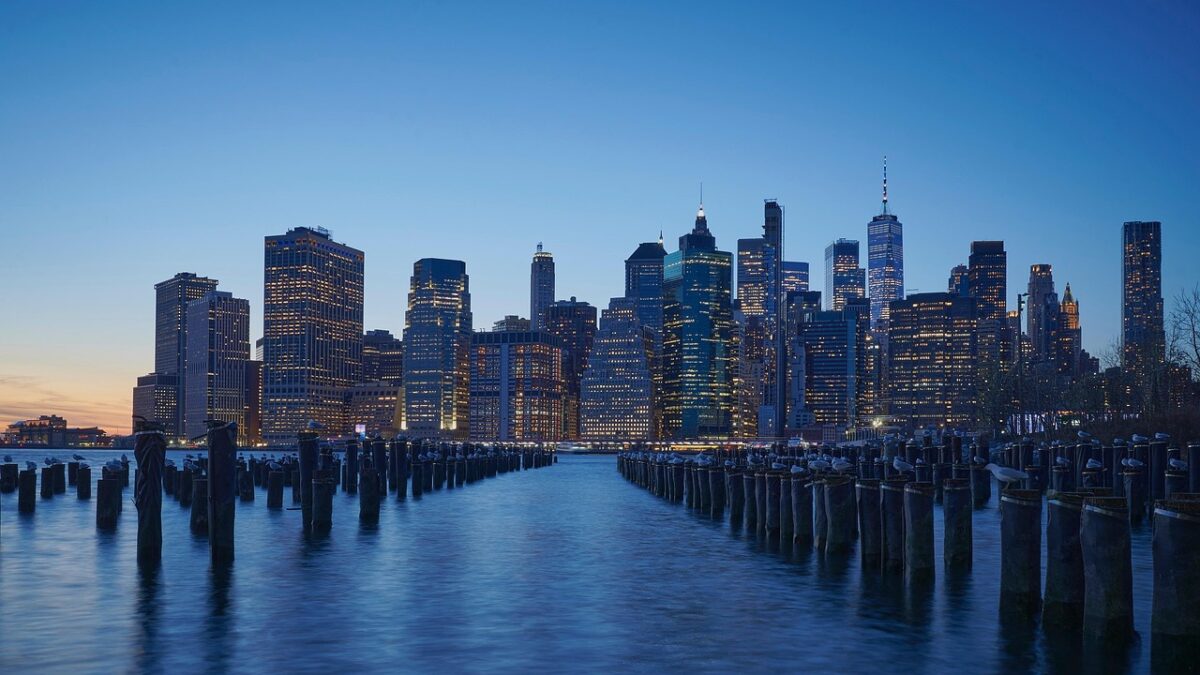
While the official time of sunset marks when the sun’s upper limb disappears below the horizon, the period immediately before and after offers some of the most beautiful light conditions, known as the Golden Hour and twilight. The Golden Hour, roughly an hour before and after sunset, bathes New York City in a soft, warm, diffused light, ideal for photography and creating a magical atmosphere.
Following the Golden Hour, twilight phases descend. Civil twilight occurs when the sun is between 0 and 6 degrees below the horizon, still providing enough light for outdoor activities without artificial illumination. Nautical twilight (6 to 12 degrees below) allows the horizon to be distinguishable, while astronomical twilight (12 to 18 degrees below) is when the sky is completely dark, and stars become fully visible. Understanding these distinct phases is crucial for photographers, astronomers, and anyone planning outdoor events that rely on natural light.
In New York City, light pollution can affect the visibility of astronomical twilight, making true dark skies a rarity within the five boroughs. However, even with urban glow, the civil and nautical twilight phases still offer unique visual experiences, painting the city’s iconic skyline in shifting shades of blue and purple. This makes the period immediately following sunset a prime time for rooftop gatherings or waterfront strolls.
Top Spots for Experiencing New York City Sunsets
Experiencing the time of sunset New York City offers a unique urban spectacle, with various vantage points providing distinct views. Knowing where to go can transform a simple sundown into a memorable event. Here are some of the most popular and recommended locations:
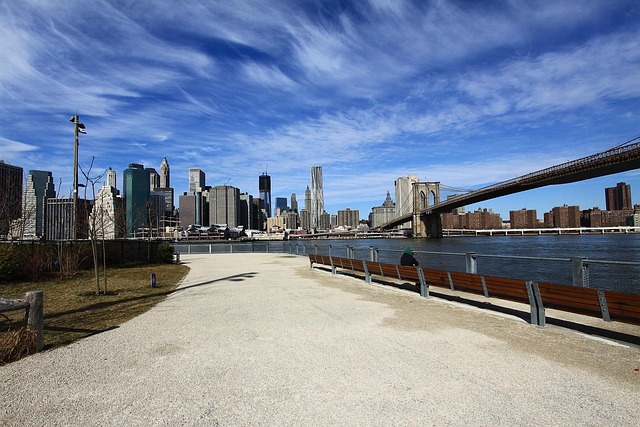
Brooklyn Bridge Park: Offering iconic views of the Manhattan skyline, including the Statue of Liberty, this park provides an unparalleled perspective as the sun dips below the Hudson River. The vibrant reflections on the water are particularly stunning.
The High Line: This elevated park on Manhattan’s West Side provides a unique, linear perspective of the city’s architecture and the Hudson River. Its creative landscaping adds an artistic touch to the sunset experience.
Gantry Plaza State Park (Long Island City): Located across the East River, this park offers breathtaking panoramic views of the Midtown Manhattan skyline. The historic gantries frame the setting sun beautifully.
Summit One Vanderbilt: For a truly elevated experience, observation decks like Summit One Vanderbilt provide incredible, unobstructed views from hundreds of feet up. While tickets are required, the perspective is unmatched.
Staten Island Ferry: A free and classic New York experience, the ferry offers excellent views of the Statue of Liberty and the Lower Manhattan skyline during sunset. It’s a pragmatic choice for a casual yet stunning view. Brooklyn Bridge Park provides spectacular views of the Lower Manhattan skyline and the Statue of Liberty as the sun sets.
Each location has its own charm and challenges. Rooftop bars offer a more intimate setting but often come with a price, while public parks provide accessibility but can be crowded. Consider factors like crowds, accessibility, and the specific skyline elements you wish to capture when choosing your spot.
Planning Around Sunset: Practical Considerations for Residents and Visitors
Effective planning around the daily time of sunset in New York City can significantly enhance both daily life and special occasions. For commuters, understanding when darkness falls can influence route choices, especially for those who bike or walk. A slightly later sunset in summer means more daylight for evening workouts or outdoor errands.
For visitors, especially those on a tight schedule, coordinating activities with sunset times allows for maximizing scenic views. Booking a dinner reservation at a restaurant with a view or planning a walk across the Brooklyn Bridge precisely as the sun sets can transform an ordinary activity into a highlight. Photographers, in particular, meticulously track the Golden Hour for optimal lighting, often arriving an hour or more before the official sunset time to set up.
Event planners must also factor in sunset times for outdoor gatherings. Lighting needs, guest comfort, and aesthetic considerations all pivot on the natural light cycle. For instance, a wedding reception in a park might schedule toasts during the Golden Hour to use its warm glow, transitioning to artificial lighting as civil twilight deepens. Always cross-reference with a reliable sunset calendar, especially when planning several weeks or months in advance.
Navigating Common Misconceptions About Sunset Times
Several common misconceptions often arise regarding the time of sunset in New York City, leading to confusion. One frequent misunderstanding is that sunset occurs at the same time across the entire city. While the differences are subtle, locations further west in New York City, like parts of Staten Island, will experience sunset a few seconds later than eastern parts of Queens, due to the Earth’s rotation. These micro-variations become noticeable to highly precise observers or for specific scientific applications.
Another myth is that the sun disappears instantly once it touches the horizon. As discussed, atmospheric refraction causes the sun to appear higher than its actual position, meaning the moment the sun’s lower limb touches the horizon is not the exact moment of optical disappearance. The full disk takes a few minutes to descend, and the lingering light of twilight extends well beyond that. Finally, some confuse the Golden Hour with the entire duration of twilight; the Golden Hour is specifically the period of warm, soft light, while twilight encompasses the broader period of dimming light after sunset.
Tips for Optimizing Your NYC Sunset Experience
To truly appreciate the time of sunset New York City offers, a few expert tips can make all the difference. Firstly, always check a reliable source for the specific daily sunset time. Websites like NOAA or dedicated sunrise/sunset calendars provide precise, up-to-the-minute data. Remember that these times are for a specific point, typically a central reference point in the city, so adjust mentally for your exact location. For example, a rooftop view might offer an earlier perceived sunset due to a lower horizon, while street-level views might retain light longer due to reflections off buildings.
Secondly, arrive at your chosen viewing spot at least 30–45 minutes before the official sunset time to fully experience the Golden Hour. Time of sunset new york city allows ample time to find a good vantage point, set up equipment if you’re photographing, and soak in the changing light. This pre-sunset glow is often as captivating as the sunset itself, offering a gradient of colors that evolve over time. Consider checking the weather forecast for cloud cover, as clear skies offer vibrant, unobstructed sunsets, while scattered clouds can create dramatic, painterly effects.
Lastly, don’t leave immediately after the sun dips below the horizon. The period of civil and nautical twilight that follows can be equally stunning, with the sky transitioning through deep blues and purples, often referred to as the “Blue Hour.” This is when city lights begin to sparkle against the darkening sky, creating a different, equally enchanting urban landscape. For more detailed planning, explore resources on to combine your sunset viewing with other activities.
Frequently Asked Questions
What time is sunset in New York City today, August 3, 2026?
Today, August 3, 2026, the sun will set in New York City at approximately 8:00 PM EDT. This time is subject to slight daily variations and is based on official astronomical calculations for the region.
How does Daylight Saving Time affect New York City sunset times?
Daylight Saving Time (DST) effectively shifts sunset times one hour later during its observance. When DST ends in early November, sunsets become an hour earlier, significantly impacting evening daylight hours in New York City.
What is the Golden Hour in relation to sunset in NYC?
The Golden Hour refers to the period of soft, warm, diffused light that occurs roughly an hour before and after the official sunset time. It’s highly prized by photographers for its unique aesthetic qualities.
Where are the best places to watch the sunset in New York City?
Popular spots include Brooklyn Bridge Park, The High Line, Gantry Plaza State Park, and observation decks like Summit One Vanderbilt. Each offers distinct views of the skyline and surrounding waters.
Do sunset times vary across different boroughs of New York City?
While the official sunset time is a single figure for New York City, there can be very slight, seconds-long differences between the easternmost and westernmost points of the boroughs due to geographical longitude.
Why does the time of sunset change daily?
Sunset times change daily primarily due to the Earth’s axial tilt and its elliptical orbit around the sun. New York City’s latitude means it experiences significant seasonal variations in daylight hours, causing daily shifts.
Conclusion
The time of sunset in New York City is a fascinating intersection of astronomical predictability and urban experience, constantly changing with the Earth’s movements and human timekeeping conventions. From the late summer evenings of August 2026 to the early winter dusks, understanding these daily and seasonal shifts empowers residents and visitors alike to make the most of New York’s dynamic environment. By appreciating the science behind it and knowing the best vantage points, you can transform a simple sundown into a truly memorable urban spectacle.