Quick AnswerOn August 3, 2026, the sunset in Los Angeles, California, is expected to occur around 7:45 PM PDT. However, this time constantly shifts due to the Earth's axial tilt, its orbit around the sun, and the local implementation of Daylight Saving Time, requiring precise tools for accurate daily predictions.
unset predictions, especially for planning.
The “golden hour” and “blue hour” offer unique photographic opportunities immediately before and after sunset.
Understanding Los Angeles Sunset Times: More Than Just a Number
The precise moment the sun sets in Los Angeles is not static; it’s a dynamic figure that shifts daily, influenced by a complex interplay of astronomical phenomena and human-imposed conventions like Daylight Saving Time. While a quick search might give you today’s specific time, grasping the underlying patterns allows for much more effective planning.
🕐 World Clock & Time Zones
City / Country
Local Time
Date
Live, automatically adjusted for Daylight Saving Time. Updates every second.
Last updated: August 3, 2026
For instance, in August 2026, sunset hovers around 7:45 PM PDT, gradually getting earlier as the month progresses. By December, the shortest day of the year will see the sun disappear around 4:45 PM PST, a difference of three hours from the peak summer months. This significant variance impacts everything from evening commutes to outdoor dining reservations.
Understanding these shifts is particularly vital for anyone whose activities are time-sensitive. Whether you’re a tourist planning a beach visit or a local organizing an outdoor event, knowing the exact sunset in LA allows for optimal scheduling.
The Astronomy Behind LA’s Sundowns: Key Factors
The daily fluctuation of Los Angeles sunset times stems from several fundamental astronomical principles. The Earth’s axial tilt, combined with its elliptical orbit around the sun, causes the sun’s apparent position in the sky to change throughout the year—a phenomenon known as solar declination.
Los Angeles’s latitude, approximately 34 degrees North, determines how pronounced these seasonal variations are. Cities closer to the equator experience less drastic changes in day length and sunset times, while those further north or south see more extreme shifts between summer and winter. This tilt is why we have seasons and why daylight hours expand and contract.
Another factor is the Earth’s orbital speed. While the orbit is nearly circular, slight variations in speed mean that the length of a solar day (the time from one solar noon to the next) is not precisely 24 hours. This subtle effect, aggregated over days, contributes to the equation of time, further refining the exact moment of sunset.
Daylight Saving Time, observed in California, adds another layer of complexity. From March to November, clocks are advanced by one hour, effectively making sunset appear an hour later by the clock. This human convention significantly impacts how we perceive and plan around the sun’s natural cycle.
Earth's axial tilt (23.5 degrees) is the primary reason for seasonal changes in day length and sunset times.
Seasonal Shifts and Their Impact: Planning for Daylight
The seasons clearly defins the rhythm of Los Angeles sunsets. The longest day of the year, typically around June 20th or 21st (the Summer Solstice), sees the latest sunsets, often extending past 8:00 PM PDT. Conversely, the shortest day, around December 21st or 22nd (the Winter Solstice), features the earliest sunsets, sometimes as early as 4:45 PM PST.
During the Spring and Autumn Equinoxes (around March 20th and September 22nd, respectively), day and night are roughly equal in length, and sunset times fall closer to 6:30 PM. These transitional periods offer a relatively balanced distribution of daylight, which can be ideal for scheduling activities that benefit from both natural light and evening ambiance.
Understanding these seasonal checkpoints is vital for long-term planning. For example, a summer wedding will naturally have more flexibility for an outdoor evening reception with ample daylight, whereas a winter event requires careful consideration of early darkness. Event planners often consult detailed solar calendars to align crucial moments with specific light conditions.
Precision Tools for Predicting Sunset: Beyond a Quick Search
While a basic web search provides a quick answer for today, precise planning requires more solid tools. Dedicated sunset tracking apps and websites use advanced astronomical algorithms, accounting for your exact latitude, longitude, and even elevation to provide highly accurate times.
These tools often go beyond just sunset, offering data on civil twilight, nautical twilight, astronomical twilight, golden hour, and blue hour. Civil twilight, for instance, is the period immediately after sunset when there’s still enough light for outdoor activities without artificial illumination. Nautical and astronomical twilights refer to increasingly darker periods, crucial for stargazers and sailors.
For professionals like cinematographers or photographers, apps like ‘Sun Surveyor’ or ‘PhotoPills’ are invaluable. They not only predict timings but also show the sun’s path across the sky, its elevation, and shadow length for any given date and location. According to NOAA’s Solar Calculator, these calculations are based on established algorithms that account for atmospheric refraction and observer altitude, ensuring accuracy down to the minute. NOAA’s Solar Calculator is a prime example of a reliable source for such data.
Embracing Golden and Blue Hour in Los Angeles
Beyond the exact moment of sunset, Los Angeles offers two magical periods for artists, romantics, and enthusiasts: the golden hour and the blue hour. Golden hour, the period roughly an hour before and after sunset, bathes the landscape in a soft, warm, diffused light that’s highly prized by photographers.
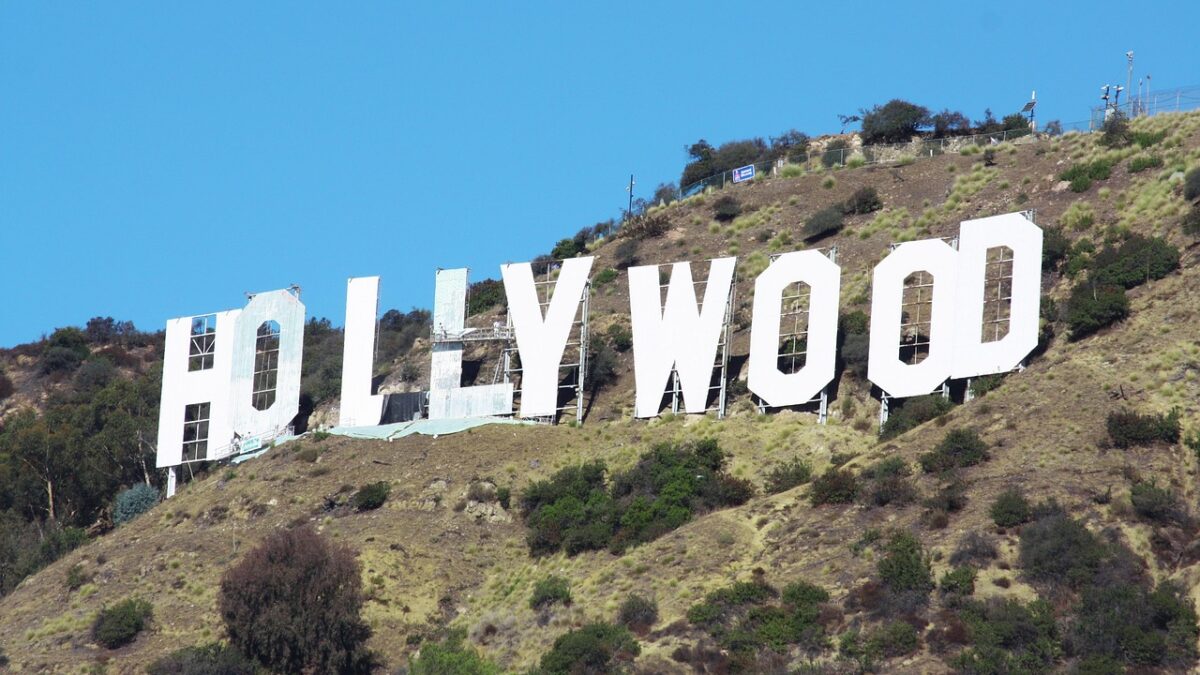
This light minimizes harsh shadows and enhances colors, making it ideal for portraits, landscapes, and architectural shots. The iconic Hollywood sign, the downtown skyline, or the beaches of Santa Monica take on an ethereal glow during this time, creating stunning visual opportunities. Its Dately often sees inquiries for planning romantic proposals or outdoor photo shoots specifically within this timeframe.
Following golden hour is the blue hour, a brief window after sunset (or before sunrise) when the sky deepens into rich shades of blue, and city lights begin to sparkle. This transition offers a distinct, cooler aesthetic, perfect for capturing cityscapes or dramatic natural scenes. For example, the cityscape from Griffith Observatory during blue hour, with the lights of LA twinkling below, is a truly breathtaking sight.
Top Spots to Experience LA Sunset: Beyond the Obvious
While beaches like Santa Monica and Malibu are popular for sunset viewing, Los Angeles offers many other incredible, and sometimes less crowded, vantage points. Each location provides a unique perspective on the sun’s descent.
For a panoramic city view, Griffith Observatory remains a classic choice, offering sweeping vistas of downtown LA, the Hollywood Sign, and the Pacific Ocean. However, parking and crowds can be challenging. A less obvious but equally stunning option is Runyon Canyon Park; a hike to its peak provides incredible westward views, especially towards the ocean as the sun dips.
Coastal parks like Point Dume State Preserve in Malibu offer rugged cliffs and secluded coves, providing a dramatic backdrop. For a more sophisticated experience, the Getty Center’s architecture and gardens are designed to maximize views, making it a serene spot to watch the colors unfold. Each of these spots offers a distinct ambiance, making the choice dependent on your desired experience.
Enjoying the sunset from a less-trafficked viewpoint can offer a more tranquil experience.
How to Find Accurate Sunset Times for Your Location
Pinpointing the exact sunset time for your specific spot in Los Angeles requires more than a general city-wide estimate. Here’s a step-by-step approach to ensure accuracy:
Identify Your Exact Coordinates: Use a mapping app (like Google Maps) to find the precise latitude and longitude of your intended viewing spot. Even a few miles can shift the time by a minute or two.
Consult a Reliable Solar Calculator: Websites like Time and Date (Time and Date) or dedicated weather apps (like The Weather Channel or AccuWeather) offer daily and monthly sunset calendars. Enter your specific location for the most accurate data.
Factor in Elevation: If you’re at a significantly higher elevation, like the Hollywood Hills or a skyscraper, you’ll experience sunset slightly later than someone at sea level. Some advanced apps allow you to input elevation for greater precision.
Consider Local Obstructions: While not changing the astronomical sunset, local mountains, tall buildings, or even heavy marine layer (fog) can obscure the sun earlier than the official time.
Verify Daylight Saving Time: Always confirm whether the current date falls within Daylight Saving Time to correctly interpret the given time (PDT vs. PST).
Apps and Websites for Sunset Tracking
Choosing the right tool can make all the difference in planning. Here’s a brief comparison of common options:
Sun path, golden/blue hour, shadow length, light angles
Cost
Free
Mostly Free (with ads)
Paid (one-time purchase)
Best For
Quick daily checks, basic planning
General awareness, casual users
Photographers, filmmakers, serious planners
Pros and Cons of Planning Around Sunset
Planning activities specifically around the Los Angeles sunset offers both unique advantages and potential drawbacks.
Pros
Stunning Visuals: Provides unparalleled photographic opportunities and memorable backdrops.
Natural Ambiance: Creates a romantic or serene atmosphere for dates, dinners, or quiet reflection.
Optimal Lighting: Golden hour is ideal for outdoor portraits and soft, warm light.
Cooler Temperatures: Evenings are often significantly cooler, especially after hot LA days.
Defined Timeframe: Creates a clear, natural event to structure an evening around.
Cons
Crowds: Popular viewing spots can become extremely congested, especially on weekends.
Traffic: Getting to popular locations before sunset often means battling peak hour Los Angeles traffic.
Marine Layer: Coastal fog can unexpectedly obscure the sunset, especially during ‘June Gloom’ and ‘May Gray’ seasons.
Limited Window: Missing the precise golden or blue hour can mean missing desired light conditions.
Time Sensitivity: Requires strict adherence to schedules, leaving less room for spontaneous changes.
Common Mistakes When Planning Around Sunset
Many people make simple errors that can diminish their sunset experience in Los Angeles. One common mistake is underestimating travel time. LA traffic is notoriously unpredictable; what looks like a 20-minute drive on a map can easily become an hour, causing you to miss the peak golden hour or even the sunset itself.
Another frequent oversight is ignoring the impact of the marine layer. While the sky might be clear inland, a thick blanket of fog often rolls in along the coast, completely obscuring the sun as it dips towards the Pacific. Always check coastal weather forecasts specifically if your plan involves a beach or pier.
Finally, some focus solely on the moment the sun disappears, forgetting the magic of twilight. The most vibrant colors often emerge 10–20 minutes after the sun has set, during civil twilight. Leaving immediately after the sun drops below the horizon means missing some of the most dramatic sky transformations.
Expert Tips for a Perfect LA Sunset Experience
To truly maximize your Los Angeles sunset experience in 2026, a few expert insights can make all the difference. Always aim to arrive at least 30–45 minutes before the official sunset time. What time is sunset in la allows ample time to find parking, secure your spot, and set up any photography equipment without rushing.
For those seeking a less crowded experience, consider exploring viewpoints slightly off the beaten path. Instead of the main Santa Monica Pier, try the bluffs above Pacific Palisades or a lesser-known hiking trail in the Santa Monica Mountains. These offer similar vistas with fewer people.
Pack essentials: a light jacket, even on warm days, as coastal evenings can get chilly quickly. A portable chair or blanket can enhance comfort, and don’t forget water and snacks. For photographers, a tripod is crucial for capturing crisp images during the lower light of golden and blue hours, as well as for longer exposures of city lights. Daylight Hours by Latitude: Why Summer Days Are Longer
Frequently Asked Questions
When is the earliest sunset in Los Angeles?
The earliest sunset in Los Angeles typically occurs around the Winter Solstice, which is usually December 21st or 22nd. At this time, the sun can set as early as 4:45 PM PST, marking the shortest period of daylight for the year.
How does Daylight Saving Time affect LA sunset?
Daylight Saving Time (DST) makes sunset appear one hour later by the clock. When DST is in effect (from March to November in California), a natural sunset that would occur at 6:45 PM would be observed at 7:45 PM PDT due to the clocks being moved forward.
What is the difference between golden hour and blue hour?
Golden hour is the period shortly after sunrise or before sunset, characterized by soft, warm, golden light. Blue hour occurs just before sunrise or after sunset, when the sky deepens into rich shades of blue, and city lights become prominent, offering a cooler aesthetic.
Can I see the Milky Way from Los Angeles after sunset?
Due to significant light pollution in Los Angeles, seeing the Milky Way directly from within the city is extremely challenging. You would need to travel to much darker locations, typically 1–2 hours outside the metropolitan area, for a clear view after astronomical twilight.
Why do sunset times change daily?
Sunset times change daily primarily due to the Earth’s axial tilt (approximately 23.5 degrees) and its elliptical orbit around the sun. This combination causes the sun’s apparent path across the sky to vary throughout the year, leading to fluctuations in day length and the timing of sunrise and sunset.
Are sunset times the same across all of Los Angeles County?
Sunset times can vary slightly across Los Angeles County due to differences in longitude and elevation. While the differences might only be a few minutes between, say, Santa Monica and Pasadena, these minor variations are factored into precise solar calculations for specific locations.
Conclusion
Understanding what time is sunset in LA is more than a simple query; it’s a gateway to appreciating the subtle rhythms of our planet and planning truly exceptional moments. From using the golden and blue hours for photography to choosing the perfect, less-trafficked viewpoint, a deeper knowledge transforms a routine event into a memorable experience.