- Greenwich today
- sunrise 06:54, solar noon 11:44, sunset 16:35
- Today
- Sunday, 1 November 2026 · ISO week 44 · day 305 of the year
Computed on every visit from the time-zone database and standard astronomical formulas, so these never go stale. The article below is unchanged.
To catch the best Austin sunset, head to elevated overlooks like Mount Bonnell or The Oasis on Lake Travis, or set up along Lady Bird Lake 45 minutes before local dusk. Sunset times range from around 5:30 PM in mid-winter to nearly 8:45 PM during peak midsummer.
Austin sits at the eastern boundary of the Texas Hill Country, where rolling limestone hills meet the flat coastal plains. This geography creates wide western horizons unobstructed by high coastal mountain ranges. Combined with Central Texas atmospheric conditions—where mineral dust from dry western terrain blends with Gulf Coast humidity—the sky frequently displays intense shades of magenta, deep orange, and soft violet as daylight fades.
Whether you are planning a evening out on the water, searching for panoramic photo locations, or organizing a relaxed picnic, knowing the seasonal timing, local traffic patterns, and exact viewing vantage points ensures you catch the full spectrum of colors.
When does the sun set in Austin throughout the year?
Because Austin sits in the Central Time Zone (observing Central Daylight Time from March to November and Central Standard Time during winter), local sunset times shift dramatically over twelve months. The longest daylight hours occur around the summer solstice in late June, when the sun dips below the horizon near 8:37 PM CDT. Conversely, the shortest daylight hours arrive near the winter solstice in late December, when darkness falls as early as 5:30 PM CST.
For accurate scheduling, check a daily sunrise and sunset calendar before setting out, especially during spring and autumn when dusk times change by one to two minutes every day. You can also consult our guide on What Time Does the Sun Set? Unraveling Daily Light Cycles to understand broader solar adjustments throughout the year.
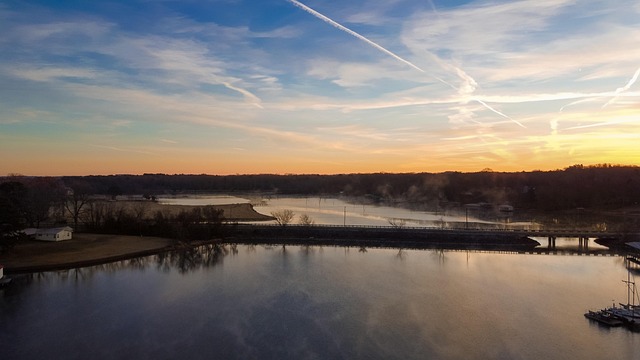
Understanding twilight stages helps you time your arrival for maximum visual impact:
- Golden Hour: Beginning roughly 45 to 60 minutes before the official sunset time, the sun drops low in the sky, casting low-angle light with warm golden tones. This period is prime for landscape photography and soft-lit portraits. Learn more about capturing light during the golden hour across different regions.
- Official Sunset: The exact minute the top edge of the sun disappears beneath the western horizon.
- Civil Twilight (Blue Hour): The 20 to 30 minutes directly following sunset. During this window, light scatters evenly across the upper atmosphere, producing vibrant blue, crimson, and deep purple hues across the sky while downtown building lights begin to illuminate.
- Nautical Twilight: Occurring 30 to 60 minutes after sunset, when artificial city lights dominate the scene and bright stars become visible.
For precise planning, always target your arrival for the start of the golden hour rather than the exact moment of sunset. Arriving late means missing the richest colors and struggling to locate parking in popular areas.
Where are the best spots to watch the sunset in Austin?
Austin offers varied terrain, ranging from high cliffs looking over river bends to grassy downtown parks directly facing the skyline. Choosing the right spot depends on whether you prefer elevated panoramic vistas, water reflections, or dining options alongside your view.
| Location | Elevation & Perspective | Parking & Access | Crowd Level | Best Suited For |
|---|---|---|---|---|
| Mount Bonnell | High elevation (781 ft); expansive view of Lake Austin and western hills. | Free street lot; requires climbing 102 stone steps. | High on weekends and clear evenings. | Classic panoramas, romantic dates, quick scenic stops. |
| The Oasis on Lake Travis | Cliffside vantage over Lake Travis facing directly west. | Large free parking garage and outdoor lots. | Extremely high during peak hours; reservations recommended. | |
| Doug Sahm Hill (Butler Park) | Moderate earthen mound overlooking Lady Bird Lake and downtown. | Paid parking garage at Palmer Events Center nearby. | Moderate; ample open lawn space. | Picnics, families, skyline photography with wide open spaces. |
| Pfluger Pedestrian Bridge | Low water-level bridge over Lady Bird Lake facing west. | Paid street parking near Riverside Drive or Lamar Boulevard. | Moderate pedestrian traffic; plenty of deck space. | Casual walks, joggers, reflections of downtown lights on water. |
| South Congress Bat Bridge | Flat bridge over Lady Bird Lake looking north and west. | Paid parking garages along South Congress Avenue. | Extremely high from March through October. | Watching the nightly bat launch paired with sunset. |
Mount Bonnell (Covert Park)
Located in West Austin at 3800 Mount Bonnell Road, Covert Park on Mount Bonnell stands as one of the highest points within city limits at 781 feet above sea level. A 102-step stone staircase leads from the parking area to a summit pavilion that overlooks a winding loop of Lake Austin, framed by waterfront homes and the rolling greenery of the Hill Country. It is a classic spot for watching an Austin sunset.
Admission and parking are free. Because the designated parking strip along Mount Bonnell Road fills up rapidly during fair weather, aim to arrive 45 to 60 minutes before dusk. Watch your footing on the limestone stairs, which can become slick when wet, and bring a flashlight if you plan to stay past twilight.
The Oasis on Lake Travis
Situated on a high cliff above Lake Travis at 6550 Comanche Trail, The Oasis is famous for its massive multi-tiered outdoor dining decks facing west across the open lake. Sitting hundreds of feet above the water, it offers an unobstructed view of the sun sinking directly into the water horizon—a rare feature for central inland Texas.
The main dining area operates on a first-come, first-served basis, and wait times can exceed two hours on clear summer weekends. If you want a more casual experience without long restaurant waits, visit the Oasis Texas Brewing Company located on the upper level of the same complex. It offers craft beer, lighter food options, and access to identical western views from its top-deck patio.
Doug Sahm Hill at Butler Park
Positioned directly south of downtown inside Butler Park, Doug Sahm Hill is a high grassy mound created from earth excavated during riverfront renovations. Standing at the top gives you a clear sightline over Lady Bird Lake, capturing both the setting sun in the west and the setting light hitting the glass facades of the downtown skyline to the north.
The surrounding park features a splash pad, walking trails, and public restrooms. Paid parking is available in the adjacent Palmer Events Center garage, making this location far easier to access with a vehicle than narrow cliffside roads.
Lady Bird Lake Boardwalk and Pfluger Pedestrian Bridge
For ground-level viewing along the water, the Pfluger Pedestrian Bridge offers a wide wooden deck spanning Lady Bird Lake near Lamar Boulevard. Because automobile traffic is strictly prohibited on the bridge, visitors can set up camera tripods or sit on built-in wooden benches to watch shadows stretch across the water.
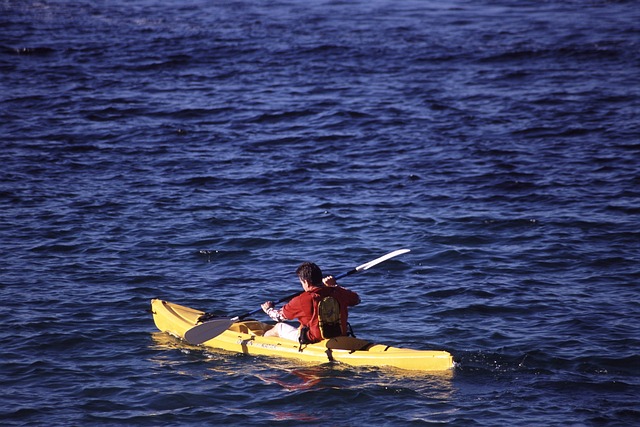
Connecting to the bridge is the Ann and Roy Butler Hike-and-Bike Trail and the eastern Boardwalk section. These trail segments feature multiple western-facing boardwalk curves over the water where you can watch paddleboarders against the glowing sky. Chicago Sunset: Top Spots and Optimal Times
South Congress Avenue Bat Bridge
The Ann W. Richards Congress Avenue Bridge offers a unique wildlife sunset spectacle.
To enjoy both the sunset colors and the bat emergence, claim a spot along the bridge’s eastern pedestrian sidewalk or on the grassy lawn near the Statesman Bat Observation Center on the southeast bank. Be aware that bat flight times depend on environmental factors; they may fly out precisely at dusk or stay under the bridge deck until total darkness. Check updates through the City of Austin’s parks department for seasonal updates on bat viewing guidelines.
How to watch the Austin sunset from the water
Viewing the evening sky directly from the surface of Lady Bird Lake provides a peaceful experience away from crowded park overlooks. Paddling west toward the sun while downtown reflections ripple around your board or boat is one of the city’s highlight activities.
Several local outfitters along the shoreline offer equipment rentals timed specifically for evening outings:
- Stand-Up Paddleboards (SUP) and Kayaks: Rental docks like Texas Rowing Center, Rowing Dock, and Zilker Park Boat Rentals offer hourly rentals. Launch from the south shore near Barton Creek or the north shore near Austin High School to paddle westward down the central channel.
- Retro Electric Boats: Retro Boat Rentals offers restored vintage fiberglass boats fitted with electric motors, allowing small groups to cruise the lake silently without motor fumes or engine noise.
- Guided Riverboat Tours: Capital Cruises and Lone Star Riverboat operate electric-powered paddlewheel vessels and pontoon tours departing nightly from the south shore. These tours combine skyline sightseeing with bat watching during peak season.
Safety regulations on Lady Bird Lake require strict compliance as daylight fades. City ordinance requires every non-motorized vessel on the water after sunset to display an illuminated, continuous white light source (such as a waterproof flashlight, lantern, or headlamp) visible from 360 degrees. Life jackets must be present on board for every passenger, and children under 13 must wear theirs continuously. Plan to be back at your rental dock before total dark, as navigation without shore lighting can become disorienting.
How to photograph the Austin golden hour and dusk skyline
Capturing clean photos during Central Texas twilight requires balancing high contrast between bright sky light and deep ground shadows. Whether you use a smartphone or a DSLR camera, slight adjustments in timing and exposure settings improve photo quality dramatically.
For DSLR and mirrorless photography, follow these setup recommendations during golden and blue hour:
- Aperture Settings: Keep your aperture between f/8 and f/11 for landscape views to ensure broad depth of field. Shooting at f/11 or f/16 against streetlights and sun glimmers creates a subtle starburst effect.
- ISO and Tripods: Keep your ISO set low (100 to 200) to keep digital noise out of dark shadow areas. As ambient light drops during blue hour, use a sturdy tripod and a two-second shutter timer to prevent camera shake during longer shutter exposures (1 to 5 seconds).
- Bracketing Exposure: Take three exposure shots (one underexposed for bright clouds, one neutral, and one overexposed for ground detail) and combine them using HDR processing software to retain details across dark tree silhouettes and brilliant orange skies.
When using a smartphone, tap the bright sky region on your touchscreen to lock focus and drag the light slider down slightly. This stops your camera software from overexposing the sunset colors. Turn off flash settings entirely, as built-in flash cannot illuminate distant trees or skyline towers.
For more timing guidance on capturing rich natural light, review our resource on golden hour photography Austin details, or check our photographic timing overview on golden hour photography techniques. Phila Sunset Times: Mastering Golden Hour in the City
Step-by-step checklist for an effortless sunset outing
Executing a stress-free evening outing in Austin requires planning around variable weather and heavy municipal traffic. Use this step-by-step process to structure your trip:
- Confirm Sunset and Civil Twilight Times: Check accurate local weather apps to determine exact sunset timing for the current day. Add 30 minutes to that time to know when blue hour will conclude.
- Review Cloud Cover Forecasts: Clear skies provide smooth golden light, but a sky filled with 30% to 50% high-altitude cirrus clouds yields the most dramatic sunset colors. Complete heavy cloud cover or rain storms will obscure the sun completely.
- Account for Austin Highway Traffic: Rush hour traffic on major thoroughfares like Mopac Expressway (Loop 1), Interstate 35, and Loop 360 peaks between 4:30 PM and 6:30 PM. A trip that normally takes 15 minutes can take 45 minutes during evening commuter hours. Build extra travel buffer time into your schedule.
- Arrive 45 to 60 Minutes Early: Plan to park and settle into your viewing location before golden hour begins. This gives you time to find a parking space, climb steps, or set up picnic gear without rushing.
- Pack Evening Essentials: Bring a reusable water bottle, a picnic blanket or low-profile folding chairs, insect repellent (mosquitoes are active near Lady Bird Lake and Lake Travis at dusk), and a small LED headlamp or flashlight for walking back to your car safely after dark.
- Stay Through Blue Hour: Resist the urge to pack up as soon as the sun drops past the horizon. The deepest purple and crimson hues develop 15 to 25 minutes after official sunset, when sky glow contrasts against lit city buildings.
Common mistakes that spoil your sunset viewing
Avoid these frequent mistakes so your evening viewing runs smoothly:
- Underestimating Parking Delays: Expecting to pull directly into a parking space at Mount Bonnell or Auditorium Shores ten minutes before dusk usually results in frustration. Parking lots at major parks are compact and fill early. Always identify a secondary backup parking garage nearby.
- Leaving Right at Sunset: Many visitors stand up and leave the instant the sun disappears beneath the horizon line. Doing so means missing the peak atmospheric lighting of blue hour, when long-exposure lighting effects and vivid deep red colors reach their height.
- Forgetting Insect Protection: Central Texas near water bodies like Lake Travis, Barton Creek, and Lady Bird Lake harbors heavy mosquito populations from spring through late autumn. Applying insect repellent before settling into grassy park lawns prevents uncomfortable bug bites.
- Misjudging the Westward Horizon Line: Downtown locations located east of high towers can have their sunset views blocked prematurely by skyscrapers. Choose open western-facing viewpoints like Doug Sahm Hill or Pfluger Bridge to keep the horizon unobstructed.
Frequently asked questions
What time should you arrive before sunset in Austin?
Arrive at your chosen location 45 to 60 minutes before the official sunset time. This buffer allows you to secure parking, claim a comfortable vantage point, and experience the warm atmospheric light of golden hour before the sun drops below the horizon.
Where can you watch the Austin sunset for free?
Free, accessible public viewing locations include Mount Bonnell (Covert Park), Doug Sahm Hill at Butler Park, the Pfluger Pedestrian Bridge, Zilker Metropolitan Park lawns, and public access points along the Lady Bird Lake Hike-and-Bike Trail.
When is the best time to see the bats fly at sunset?
The bat colony at the South Congress Avenue Bridge is most active from late March through October, with peak flight numbers occurring during warm, dry evenings in August and September. The bats generally emerge right around dusk, though flight times depend on nightly weather conditions.
Which spot offers the best sunset view of the Austin skyline?
Doug Sahm Hill in Butler Park and the Lou Neff Point lookout along the Lady Bird Lake trail provide the clearest vantage points. Both locations place you south and west of downtown, allowing you to capture the setting sun while its glow reflects across the glass windows of the city skyline.

About Yasir Hafeez
Yasir Hafeez is the creator of itsdately a free, independent site for clear world time, calendars, and date tools.