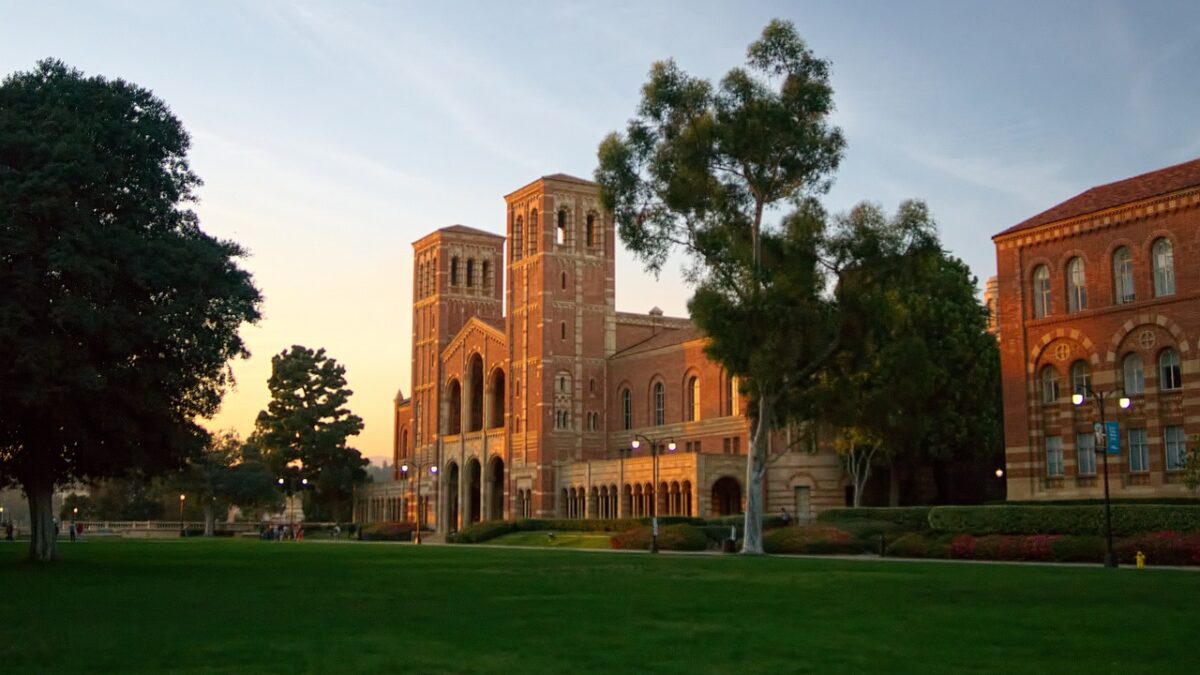
When planning an evening in Southern California, understanding the precise Los Angeles sunset time is far more than just knowing when the sun dips below the horizon. It’s about orchestrating experiences—from capturing the perfect photograph to enjoying a romantic dinner with a view, or simply reveling in the city’s iconic golden hour.
Last updated: August 3, 2026
Most visitors and even long-time residents often check a basic sunset time, but fail to account for the rich, shifting light stages that follow, or the practicalities of LA’s vast landscape. This guide will walk you through everything you need to know to truly master the sunset in the City of Angels.
Key Takeaways
- Official sunset is when the sun’s upper limb disappears below the horizon, but the most visually stunning light often occurs during the subsequent twilight phases.
- Seasonal variations in Los Angeles sunset time are significant, with summer evenings lasting much longer than those in winter.
- The “golden hour” and “blue hour” are distinct periods of light offering unique aesthetic opportunities for photography and ambiance.
- Los Angeles’ geography, from its coastline to its mountains, creates diverse and spectacular sunset viewing locations.
- Effective planning involves not just knowing the time, but also accounting for traffic, parking, and optimal arrival for your chosen activity.
Understanding Los Angeles Sunset Time: More Than Just a Number
The official Los Angeles sunset time is defined astronomically as the moment the upper edge of the sun disappears below the horizon. This specific point in time, however, is just the beginning of a prolonged and often dramatic display of light that can last for well over an hour.
For instance, on August 3, 2026, the sun officially sets around 7:45 PM PDT in Los Angeles. Yet, the vibrant hues of the sky, known as the afterglow, continue to evolve significantly after this moment. This ongoing spectacle is broken down into various twilight phases, each offering a distinct visual character.
Understanding these phases is critical for anyone looking to truly appreciate or plan around the setting sun. The light changes dramatically and rapidly during these periods, affecting everything from visibility to photographic conditions.
The Science Behind the Setting Sun in LA
Why do Los Angeles sunset times shift throughout the year? The primary drivers are Earth’s axial tilt and its elliptical orbit around the sun. As our planet orbits, the tilt of its axis means that different parts of the Earth receive direct sunlight at various times, leading to longer days in summer and shorter days in winter.
Los Angeles, situated at approximately 34 degrees North latitude, experiences these seasonal changes distinctly. The longest day of the year, the summer solstice, typically around June 20th, sees the latest sunsets. Conversely, the winter solstice, around December 21st, features the earliest sunsets and the shortest daylight hours. These astronomical shifts are consistent year after year, forming predictable patterns that can be tracked with a reliable Los Angeles sunset calendar.
Another factor impacting perceived sunset times is Daylight Saving Time (DST). From mid-March to early November, Los Angeles observes DST, pushing clocks forward by an hour. This means that while the solar event occurs at the same astronomical moment, the clock time for sunset appears an hour later, providing more daylight in the evening. This adjustment significantly impacts planning evening activities, making summer evenings feel even longer.
Navigating Seasonal Shifts: Daylight Hours in Los Angeles
The variation in daylight hours across the year in Los Angeles is substantial. During the peak of summer, daylight can extend for over 14 hours, while in the depths of winter, it can shrink to less than 10 hours. This fluctuation directly influences the effective daily sunset times LA residents and visitors experience.
For example, in July 2026, sunset approaches 8:00 PM PDT, offering ample time for beach activities or outdoor dining after a workday. In contrast, by December 2026, the sun may set as early as 4:45 PM PST, requiring much earlier planning for any outdoor evening events. This seasonal rhythm is a fundamental aspect of life in Southern California.
Understanding these macro shifts allows for better long-term planning, whether for a vacation, a photography project, or simply scheduling daily routines. It’s not just about the exact minute of sunset, but the overall arc of daylight that frames your day.
Maximizing the Golden Hour in Los Angeles
The “golden hour” is the period of daytime shortly after sunrise or before sunset, during which daylight is redder and softer than when the sun is higher in the sky. For photographers, this is the prime window for capturing stunning images, as the low angle of the sun creates long shadows and a warm, inviting glow. In Los Angeles, this period typically lasts for about 30-45 minutes immediately following the official sunset time.
To truly maximize the LA golden hour, consider your location carefully. Coastal areas like Santa Monica or Malibu offer expansive views where the warm light plays beautifully across the ocean and pier structures. Inland, locations like the Griffith Observatory provide panoramic cityscapes bathed in a rich, amber light. For a deep dive into capturing these moments, explore our guide on [Related Article].
Beyond photography, the golden hour sets an unparalleled ambiance for romantic dates. Imagine a picnic at a scenic overlook, or a stroll along the beach as the sky transforms into a canvas of oranges, pinks, and purples. It’s a fleeting magic that demands intentional appreciation.
Embracing the Blue Hour and Twilight Phases
After the golden hour fades, the sky transitions into the “blue hour.” This often-overlooked period occurs when the sun has dipped well below the horizon, but its light still illuminates the upper atmosphere. The result is a deep, rich blue hue that saturates the sky, contrasting beautifully with artificial lights that begin to twinkle across the cityscape.
The blue hour is followed by three distinct twilight phases, as defined by the U.S. Naval Observatory (aa.usno.navy.mil):
- Civil Twilight: Begins at sunset and ends when the sun is 6 degrees below the horizon. This is when the brightest stars become visible, and artificial lighting becomes necessary for most outdoor activities. For Los Angeles twilight hours, this period typically lasts about 25-30 minutes after official sunset.
- Nautical Twilight: Continues until the sun is 12 degrees below the horizon. The horizon is no longer visible, and navigation by stars becomes possible. This is a truly dark sky, but still with a hint of ambient light.
- Astronomical Twilight: Ends when the sun is 18 degrees below the horizon. The sky is completely dark, allowing for optimal stargazing.
Each phase offers unique opportunities. The blue hour is perfect for dramatic city photography, while deep twilight invites contemplation and clear views of constellations above the city glow.
Top Spots for an Unforgettable Los Angeles Sunset Experience
Los Angeles boasts an incredible array of locations to witness a spectacular sunset, each offering a different perspective:
- Griffith Observatory: Perched on Mount Hollywood, this iconic landmark offers unparalleled panoramic views of the Hollywood Sign, downtown LA, and the Pacific Ocean. Arrive early, especially on weekends, as parking is limited.
- Santa Monica Pier/Beach: For a classic coastal sunset, the Santa Monica Pier provides vibrant colors reflecting off the ocean, with the Ferris wheel adding a playful element. Walk down the beach for a less crowded experience.
- Malibu Coastline: Drive along the Pacific Coast Highway (PCH) north of Santa Monica for numerous pull-offs and beaches (e.g., El Matador Beach, Point Dume State Preserve) that offer dramatic cliffside vistas and pristine ocean sunsets.
- Runyon Canyon Park: For a more active viewing experience, hike up Runyon Canyon. The reward is sweeping views of the city lights beginning to twinkle as the sky fades.
- Getty Center: While primarily an art museum, the Getty Center’s elevated position and stunning architecture make its gardens and terraces exceptional spots to watch the sun set over the Pacific Ocean, often accompanied by live music or special events. Access via a tram is required, so plan your arrival accordingly.
Each location has its own charm, but all demand careful planning to avoid crowds and ensure the best vantage point. Consider the time of year, as the sun’s position relative to the horizon shifts, altering the views from specific spots.
Planning Your Sunset Adventure: Practical Considerations
Beyond knowing the los angeles sunset time, successful sunset planning in LA requires navigating the city’s unique challenges. Traffic, notoriously heavy at most times, can severely impact your ability to reach a chosen spot before the golden light begins. Aim to arrive at least 60-90 minutes before the official sunset time, especially for popular locations like Griffith Observatory or the Santa Monica Pier.
Parking is another significant hurdle. Many prime viewing areas have limited or paid parking. Researching parking options and costs beforehand, or considering ride-sharing services, can save considerable stress. For example, parking around the Santa Monica Pier can be expensive and fills quickly, while Griffith Observatory often requires shuttle access or a challenging uphill walk from lower lots.
Always check local weather forecasts. While LA is famous for its clear skies, marine layer fog, especially in coastal areas during spring and early summer (known as “June gloom”), can completely obscure the sunset. Conversely, occasional high clouds can create even more dramatic colors as the sun’s light refracts through them. According to the National Oceanic and Atmospheric Administration (www.noaa.gov), coastal fog is most prevalent from May through July.
Common Mistakes When Chasing the LA Sunset
Even with the best intentions, several pitfalls can diminish your sunset experience in Los Angeles:
- Underestimating Traffic: Assuming a 30-minute drive will take 30 minutes in LA, especially during rush hour, is a recipe for missing the prime light. Always add buffer time, sometimes doubling your expected travel duration.
- Ignoring Twilight: Many people leave immediately after the sun disappears. This is a mistake, as the most intense and varied colors often occur during civil and nautical twilight. Stick around for another 30-45 minutes to witness the full spectrum.
- Forgetting Layers: Even on a warm day, coastal breezes or elevation at mountain viewpoints can make evenings surprisingly chilly after the sun sets. Always bring an extra layer, even in summer.
- Not Checking for Events: Popular spots like the Santa Monica Pier or Griffith Observatory can host special events that impact accessibility, parking, and crowd levels. A quick check of their official websites can prevent unwelcome surprises. The City of Los Angeles Department of Recreation and Parks (www.laparks.org) is a good resource for park-specific events.
- Relying Solely on Phone Apps: While useful, phone apps provide general sunset times. Local topography (mountains, tall buildings) can cause the sun to disappear visually much earlier than the official time. Scouting your chosen spot during the day can help you understand its unique viewing conditions.
Expert Tips for the Perfect Sunset Experience
Having navigated LA’s notorious traffic and diverse landscapes for countless sunset excursions, I’ve learned that preparation and patience are paramount. Here are some expert tips to ensure your perfect sunset experience:
- Use a Dedicated Sunset Calculator: For photography, a specialized app that shows precise golden hour, blue hour, and twilight start/end times, often integrated with a compass, is invaluable. These go beyond simple Los Angeles sunset time data.
- Consider the “After-Afterglow”: On rare, clear days, especially after a storm, the sky can put on a second, softer show of colors up to an hour after nautical twilight. It’s subtle but stunning.
- Explore Elevated Restaurants: Many hotels and restaurants in downtown LA, Hollywood, and Santa Monica offer rooftop dining with spectacular sunset views. This combines a great meal with a guaranteed prime viewing spot, bypassing parking and traffic woes.
- Pack a Picnic: For beach or park locations, bringing your own food and drinks (where permitted) makes the waiting time enjoyable and can elevate the experience into a true event.
- Account for Marine Layer: If you’re planning a coastal sunset during late spring or early summer, have a backup plan for an inland location (like Griffith Observatory or a hilltop park) in case the marine layer rolls in and obscures the view at the beach.
Frequently Asked Questions
What is the earliest Los Angeles sunset time of the year?
The earliest sunset in Los Angeles typically occurs around the winter solstice, usually in mid-December. During this period, the sun can set as early as 4:45 PM Pacific Standard Time, resulting in the shortest daylight hours of the year. This shift is due to Earth’s axial tilt and orbital mechanics.
How does Daylight Saving Time affect Los Angeles sunset times?
Daylight Saving Time (DST) shifts the clock forward by one hour, making the official sunset time appear an hour later than it would under standard time. This effectively extends the evening daylight, providing more usable hours for outdoor activities. DST is observed from mid-March to early November in Los Angeles.
What is the difference between golden hour and blue hour?
The golden hour is the period shortly after sunrise or before sunset, characterized by warm, soft, reddish light. The blue hour follows golden hour, occurring when the sun is further below the horizon, and the sky is bathed in a deep, cool blue hue. Each offers unique aesthetic qualities for photography and ambiance.
Can I see the moon at sunset in Los Angeles?
Yes, it’s very common to see the moon during sunset or twilight in Los Angeles, depending on its phase and position in the sky. A crescent moon or a nearly full moon can create a particularly striking visual against the colorful backdrop of a setting sun.
Are Los Angeles sunset times affected by pollution or smog?
While pollution and smog don’t change the astronomical sunset time, they can significantly affect the visual quality of the sunset. Particulate matter in the atmosphere can sometimes enhance the reds and oranges, making them more vibrant, but at other times, a thick haze can obscure the sun and dull the colors, reducing visibility.
How far in advance should I plan for a sunset viewing in Los Angeles?
For popular locations, planning to arrive 60-90 minutes before the official Los Angeles sunset time is highly recommended. Los angeles sunset time allows ample time to navigate traffic, find parking, and secure a good viewing spot before the golden light begins. For less crowded spots, 30-45 minutes might suffice.
Conclusion
Mastering the Los Angeles sunset time involves more than just a quick glance at a clock; it requires an understanding of celestial mechanics, local geography, and practical planning. By knowing when the sun officially sets, appreciating the magic of the golden and blue hours, and selecting the perfect vantage point, you can transform a simple daily occurrence into an unforgettable Los Angeles experience. Plan wisely, arrive early, and prepare to be captivated by the iconic Southern California sky.
Information current as of August 2026.
Related read: Your Guide to Sunset Times in New York City Today.